Sunday, February 1, 2015

Friday, September 13, 2013
WHY DO VACCINES DAMAGE SOME PEOPLE?
Vaccination is a boon today. So why is there fear? Perhaps a vaccine candidate is on a “metabolic cliff” and gets “knocked off” by the “stress” of the inoculation. History provides a model clue. Beriberi was a scourge in the East for millennia. It is now known to be due to dietary vitamin B1 (thiamin) deficiency, damaging energy metabolism, chiefly affecting the brain, heart and nervous system. Earlier attempts to find the cause were blocked by a simple observation. Eastern factories were built in blocks with passages between them. In the summer the workers would eat their lunch in the passages. Initially in the shade, the sun would eventually shine on them and several would get their first symptom(s) of beriberi simultaneously, leading to the false conclusion that the disease was caused by an unknown infection. Ultra violet light (UVL) is stressful to the human body, (why tanning is a natural defense). Some of the workers, being “on the dietary edge” of developing beriberi, were stressed by the UVL. Lacking sufficient cellular energy to mount an efficient adaptive response, they were “knocked off their metabolic cliff”, a metaphor for a person succumbing to risk. Both the diet and the exposure to sunlight were risk factors. Nobody today has any idea that a person is at risk. If the “stress” of a vaccination, like UVL, is imposed on a person at risk, it might be “the last straw”. Evidence suggests that the dietary “mayhem” that exists today may be a risk factor. Sugar induces vitamin B1 (thiamin) deficiency and may reflect known excessive sugar consumption. Most commercial foods contain sugar, pandering to palatability, not health. Consumption by children and adolescents might explain some adverse reactions to vaccination. Imagine 3 interlocking circles labeled Genetics/Stress/Nutrition. Their combined action governs health and disease. The imposed stress, if not itself overwhelmingly the obvious cause,requires an energy consuming response that is dependent on the fitness derived from the state of the other two circles. A simple diet history from a vaccine candidate might depict possible risk, particularly if there is symptomatic evidence. Vitamin B deficiency can be spotted in the laboratory by a test called red cell transketolase, a test that is known to few medical laboratories. Since all disease depends on the state of the three circles, it represents a huge shift in our concepts of health and its breakdown. We cannot "blame" the "stress" of the inoculation anymore than the poor diet or the unknown genetic risk of a given individual.
Monday, August 19, 2013
"BE STILL AND KNOW THAT I AM GOD"
There is accumulating scientific evidence for “intelligent design” (www.Summary of Scientific Evidence for Creation ( Part I & II) by Duane Gish, Ph.D. Michael J Behe. Darwin’s Black Box; The Biochemical Challenge to Evolution. Mar 2006) The “Big Bang” is now accepted as a natural law and indicates that “something can be created from nothing”. Perhaps the evolution of man is part of a great design so that we become the first creatures on Earth that have the capacity to discover that design and explain the long held view that there is, in fact, a designer. Einstein taught us that energy and matter are inter-convertible (E=MC2). This must change our present concept of who we are, how our overall health matters and how the art and science of medicine must “catch up” with the natural sciences in physics, chemistry and astronomy. Although we know how our cells create chemical energy from food, we still know little about its transduction to electrical energy. For example, we know that the 500 volts of energy produced in the electric organ of the electric eel is an adaptation of a nerve mechanism. Some research has been published that begins to connect the energy transduction process, inviting further speculation (Bettendorff L, et al. Thiamine triphosphate and membrane-associated thiamine triphosphatases in the electric organ of Electrophorus electricus. J Neurochem 1987;49:495-502). The principle is exactly the same as that in the mechanism of some of our own nerves, using the neurotransmitter called acetyl choline. If the “designer” is energy, then God is in our heads, because it is electrical energy that drives the brain.
BRAIN FUNCTION
Although we still do not know how our brains give us the power to think, we have lots of evidence that at least part of it is a computer called the limbic system. We know that it automates all our ability to adapt to the constantly changing environment that we meet on a daily basis. For example, we sweat when it is hot and shiver when it is cold. The “fight-or-flight” reflex is a well known response to danger. It may be “taught” to perform actions that appear to be intellectual. An accomplished musician plays the notes automatically, using the brain computer. The “thinking brain”, whose functions are still mysterious, is applied to interpretation of the composer’s intentions in creation of the music.
BRAIN ENERGY
However these functions operate, energy is consumed. We understand the chemistry and know that poor nutrition, demanding calorie liberating fuel, oxygen and vitamin/mineral catalytic nutrients, results in energy loss. Electric energy is produced in our tissues (cardiogram, encephalogram) but there has been little thought given to whether this is a mere effect of chemical reactions or evidence that it is the energy that drives function. Acupuncture and various forms of electrical treatment are beneficial, supporting the importance of electrogenesis (formation of electric energy). Hence, electric energy can be boosted by these means in bypassing the normal chemical/electrical transduction process. The synthesis of cellular energy must meet the demands of its consumption and therefore, one is as important as the other. In a mad workaday world, the combination of daily stress and poor diet is a virtual guarantee for lack of this cellular energy affecting brain function. Our physical existence is organized and controlled by the brain. The body is a chassis that carries our heads and all body functions are a result of brain action. Attacks by microorganisms give rise to defensive reactions organized by the brain. If that organization breaks down, we are automatically inducing the onset of disease. Depending on the way the messages are dispatched, a lack of brain energy can affect the organs of the body and produce “organic” disease. Energy conservation and nutrition come together as the primary method to treat both body and brain. We are never consciously aware of brain function except by its results. Thinking uses energy and both physical and mental “stress” consumes it. When we dig a ditch we are conscious of work being done and are not surprised by onset of fatigue. When we sit at a desk and think, we know that the resulting fatigue is even greater than with digging a ditch, but we do not usually associate it with brain energy consumption. The brain uses twenty per cent of the oxygen taken in with each breath. Mental “stress” wastes energy and anything that shows this fact and teaches conservation has to be at least preventive, and potentially therapeutic.
BIOFEEDBACK
Biofeedback is a method for energy conservation. The patient sits in a comfortable chair and receives brain input by either auditory or visual stimulus. Electrodes are placed strategically on the scalp and music is played, or an image is projected on a computer screen. The patient must learn that complete relaxation is necessary to maintain the continuity of the stimulus. If this is not achieved, the music stops or the visual image disappears and the stimulus chosen returns when relaxation is accomplished. There are billions of neuronal connections in the brain and any volitional use will start function and consume energy. The function is intercepted by the technology and the stimulus is cancelled until the synaptic transmissions slow down or cease. The patient gradually becomes aware that thinking or any form of physical tension stops the stimulus until relaxation is achieved, thus conserving energy. Biofeedback explains the action of meditation and backs up the ancient disciplines of mind/body control.
Tuesday, May 21, 2013
My book on alternative medication - A Nutritional Approach to a Revised Model for Medicine
Is Alternative Medicine the Answer We Need?
Are we poisoning ourselves with the foods we eat? Dr. Derrick Lonsdale, M.D., provides the nutritional and health care answers we need in his no-nonsense book A Nutritional Approach to a Revised Model for Medicine: Is Modern Medicine Helping You?
Can a simple change in our diet make all the difference? Are we eating too much sugar? Could the obesity epidemic, diabetes, and a host of other diseases be the result of our present dietary mayhem? This is the view expressed in the illuminating book by author Derrick Lonsdale M.D., who draws attention to the dangers of the prolific ingestion of sugar that is so widespread today.
The book cites case reports to illustrate these dangers and to emphasize the ease with which symptoms may be stemmed in the early stages. However, if symptoms are left unrecognized and behavior is unmodified, these symptoms become less treatable, giving rise to chronic diseases and serious health problems. This is one house call you won’t want to miss!
A NUTRITIONAL APPROACH TO A REVISED MODEL FOR MEDICINE: IS MODERN MEDICINE HELPING YOU? (ISBN: 978-1-61897-092-3) is now available for $13.50 and can be ordered through the publisher’s website: http://sbpra.com/DerrickLonsdale or at www.amazon.com or www.barnesandnoble.com.
WHOLESALERS: This book is distributed by Ingram Books and other wholesale distributors. Contact your representative with the ISBN for purchase. Wholesale purchase for retailers, universities, libraries, and other organizations is also available through the publisher; please email bookorder@aeg-online-store.com.
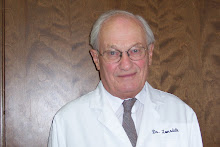
About the Author: Derrick Lonsdale, M.D., was born in Lancashire, England, and earned an MB.BS. at London University. He worked in medical practice for 64 years, retiring at the age of 88. Dr. Lonsdale is a Fellow of the American College for Advancement in Medicine (ACAM), an international professional organization that represents the alternative medicine field. He has written two previous books on alternative medicine and published over 100 medical papers.
Strategic Book Publishing and Rights Co, LLC
www.AuthorMarketingIdeas.com www.PublishOnDemandGlobal.com www.StrategicBookClub.com
ABOUT: Strategic Book Publishing and Rights Co, LLC provides book publishing, book marketing, and e-Book services to over 10,000 writers around the world, employing 150 people who live throughout the US and work virtually through telecommunication. Strategic Book Publishing and Rights Co, LLC is experiencing over 30% growth per year, having published approximately 3000 authors with almost 100 new releases per month. Our books are available through Ingram, the largest book distributor in the world, as well as in bookstores, through Amazon, Barnes & Noble and all online channels. Strategic Book Publishing and Rights Co, LLC attends and exhibits at the major book expositions in London, New York, China, and Germany each year.
To follow us on Facebook: http://tinyurl.com/2cwerv7
To follow us on Twitter: http://twitter.com/#!/SBPRA
To follow us on Linked In: http://www.linkedin.com/groups?mostPopular=&gid=3690863


THE THREE CIRCLES OF HEALTH
I was particularly struck by an article in a Canadian magazine by Inge Hanle “Why are Pharmaceutical ‘psycho-drugs’ mandated- and Orthomolecular Remediation shunned and even outlawed”? She put her finger on it by saying that “Health is not the driving engine of ‘health care. Money is and money talks. I have failed in laboring against this ignominious fact for years after my eyes were opened to the truth. The fact is, however, that we cannot ever give up”.
Then what is the truth? I was told by a friend that he could not understand my previous posts. They were “too technical” so I am going to try to put all of them in a “nutshell” and say that all I am trying to do is to deliver a message. Each of the earlier posts actually depend on understanding the principles outlined here. This blog is not for entertainment, it is trying to educate the public, based on 64 years of medical practice. Neither does it cost a dime to read. An ounce of prevention is worth a pound of cure.
It seems that few people ever give the slightest thought to why we breathe and what we do with the oxygen that we inhale. It is likely that when the use of oxygen (oxidation) in the body goes haywire, even fewer people associate it with illness. So let me make it as clear as I can in supporting the words of Inge Hanle.
“Orthomolecular remediation” means that every cell in the animal body, including humans, requires fuel (calorie producing nutrients).Naturally occurring food includes a whole series of nutritional substances (orthomolecular) that must “ignite” (oxidation is a form of chemical combustion) to create energy. It applies to every one of the 70 to 100 trillion units (cells) that are stuck together to make a human body. Each cell has a special function that contributes to the enormously complex activities of the whole brain/body union. “Remediation” implies that this complement of nutrients is not being met by modern diet and must be provided for normal health, or even its retrieval. When a person has been consuming high calorie foods that do not have enough vitamin content, the cellular machinery begins to decline. The symptoms generated are so common that they are either ignored by family and physician or given the label “psychosomatic”, or “functional”. At this stage it only requires simple recognition of dietary error as the cause. If it continues for years, however, the damage gradually becomes irreversible and results in classic diseases such as rheumatoid arthritis, ulcerative colitis, many different brain diseases in adults, and autism from bad nutrition in pregnancy. As we all know now, there are genetically determined diseases, but we will show shortly that such a handicap can be helped by nutrition and lifestyle--------a new science called epigenetics.
The brain and the heart use more energy than any other tissue in the body. That is why the high calorie intake of white rice (fuel) without vitamin B (spark plug) caused thousands of years of terrible neurological and heart disease in millions. This disease, known as beriberi, is one of the classical vitamin deficiency diseases. White rice (the grain without the vitamin containing husks) is starch and was the staple food for the peasants in China. This is broken down to glucose in the body and is the primary fuel for our cells, particularly the brain. The high concentration of carbohydrate yielding calories without vitamin B caused the disease. The “fuel” was not being efficiently oxidized, resulting in lack of sufficient energy for the affected cells to function properly. It is a perfect example of high calorie malnutrition. Because modern diet is believed to have adequate vitamin enrichment, beriberi is considered to be only of historical interest. But starch is a carbohydrate and in our present culture sugar in ALL its different forms substitutes for white rice. Thus high carbohydrate calorie malnutrition Is common.
The effect of this , known from experimental studies in human subjects in 1942, is to make the brain more irritable, producing “psychosomatic” symptoms. Examples are; heart palpitations, an intermittent form of relatively mild chest pain, IBS, PMS, excessive sweating, pins and needles or numbness, recurrent nausea and vomiting, fibromyalgia, sudden bursts of emotional reactions such as might follow a trivial incident and even allergic manifestations from food or external influence such as a mosquito bite. The brain/body is always alert to defend us from hostile aspects of nature. If, however, it has been made too responsive by high calorie malnutrition, it fires excessive signals that provide discomfort in the form of these symptoms. A full belly is not necessarily good nutrition. I have repeatedly referred to “high calorie malnutrition” in previous posts.
It has been said that any complexity must be reduced to simplicity to be of general use. So I have provided an hypothesis to show how the complexity of modern medicine can be reduced to relative simplicity. By drawing three interlocking circles you can easily understand the mechanisms of health and disease. They all interlock at the center.
Circle 1: Genetics.
Modern medicine is looking deeper and deeper into our genetic mechanisms. They are trying, I believe falsely, to explain every disease on genetic grounds alone. It is true that genes come into our individualized construction and our DNA is never perfect. But many of the “mistakes” are minor and fortunately, by themselves, make little clinical difference. Some form of stress may initiate their action. Even major mistakes in DNA can often be helped b y the science of epigenetics. This is based on the discovery that our genes are indeed influenced by diet and lifestyle.
Circle 2: Stress
Stress is defined as “pressure or tension or compulsion (times of s.when much energy is needed)”. It is the part in italics that matters in the interpretation of its effect on health. People fail to be aware of the slow health deterioration that they can suffer both mentally and physically as a result of prolonged stress from all the complexities of modern lifestyle. They often fail to realize the energy consumption required for recovery from an infection or surgery. Because we have to adapt constantly to both physical and mental stress, the energy consumption can be enormous. If the energy producing biochemical mechanisms fail to keep up with the increased expenditure, cellular energy deficiency results in dysfunction that depends on locality and the aggregate number of affected cells.
Circle 3: Nutrition.
If a car gets the fuel for which it has not been designed, its performance is either reduced or it ceases. That is also true for us and so it behooves us to study the nature of the right fuel. Since we would not have survived as a species if the food had not been present when we arrived on Earth, it is obvious that naturally occurring food is the fuel that fits our design. Any substitute is essentially wrong, even though our “engines” are remarkably adaptable and many people “get away with it”. It should be obvious that the highest power car engines require the fuel most closely suited to its design and I have come to realize that the most superior people are in greater danger from poor nutrition. The observations made over many years indicate that the greatest danger is in high intelligence brains.
I will give an illustration of the necessary interaction between these three circles from the history of beriberi , now accepted by all as an excess of simple carbohydrate without vitamin B 1. Its cause from dietary deficiency has been known for less than one hundred years. The peasants in China, where beriberi affected thousands, worked in factories made up of ranks of buildings, separated by relatively narrow corridors. In the early spring/summer months, the workers would take their lunch in the corridors. At first they would be in the shade but after a short while the sun would shine onto them. Some of the workers would develop their first symptoms of beriberi as they continued to sit in the sun. It was this kind of phenomenon that made the doctors think that the disease was due to infection since a few individuals succumbed at the same time.
Now that the cause of this disease is an open book, the explanation is quite different. Why, for example, would only a few workers succumb? They were all eating the same diet. Genetic risk always comes into the picture in health and disease because we are all uniquely different in detail. Sunlight is stressful to the body. That is why we tan because it is a form of defense against the physical stress of sunlight. Granted that the nutrition circle was (and still is) the most important circle but sunlight initiated symptoms in those who were either more at risk genetically or diet wise. I imagine the workers most at risk were “sitting on the edge of a metabolic cliff”. The “stress factor” knocked them off the “cliff”.
If we think this way, it becomes much easier to understand why a disease like diabetes can make its first appearance after a simple infection, a business crisis or a divorce. Geneticists have never been able to fit this disease into the classic concepts of genetics because that is only one circle in “The Three Circles of Health”
Thursday, December 6, 2012
CHILD ABUSE
Since the title of this blog is “Oxygen the Spark of Life” a reader might well ask why I am addressing the subject of child abuse. In all my posts I have tried to show that normal brain activity depends on normal energy metabolism induced by efficient oxidation. It is obvious that child abuse can be simply a lack of love and we know that people are capable of cruelty but I have had an unusual experience with child abuse. The nature of the extreme cruelty is hard to explain as coming from a parent with a normal brain function. I am going to recount the history of three unusual cases. They were so awful that it resulted in a symposium at Cleveland Clinic Foundation where every member of the many public organizations in the city dealing with children’s welfare were invited. Many years later, I met a woman that told me that it had led to the establishment of the “hotline” that operates in Cleveland today. They all happened so many years ago that identification would be impossible.
Perhaps the most tragic case was Charlie who was brought for medical consultation “to explain all those scars on his body”. The point is that the correct nature of the cause of the injuries is never given. It is “this strange disease” or “he fell off a wall” etc. So a physician has to be a detective as well as a sympathetic listener. It turned out that the real cause of Charlie’s scars was repeated cigarette burns perpetrated by his mother. This has been reported in other cases. I imagine that it is “you do that again and I will punish you with another burn”! It comes from the mind of a parent under extreme stress, especially as the father had the nickname ”Killer”.
Then there was Vicki, aged four, who was admitted to the hospital with an obvious case of Kwashiorkor, the typical appearance of protein starvation seen today in children of third world countries. Vicki quickly began to flourish, even with “hospital food” and it turned out that it was a case of attempted homicidal starvation. Although this could not be proved, the mother was ordered to appear with the child at regular intervals. Each time that she made an appearance the child was clothed in a new outfit, each one being of a different color. One day the child appeared with three bruises on her forehead and this was explained by a fall. I must add here that all this was before the Child Abuse law was established in Ohio. At that time it was necessary only to report a suspicion to the police. Later, Vicki was brought into the emergency room in coma and was passed immediately to neurosurgery where the brain tissue was found to be abnormal in appearance and substance. When she died, nothing could be proved but I suspect that she was smothered.
The last case I want to describe was a 6-month old infant referred by a pediatrician who had found an enlarged liver in the child. He was scheduled for liver biopsy but with TLC from the nurses he began to sit up by himself for the first time and to my great surprise, I found that the enlarged liver could no longer be felt. I cancelled the biopsy and told the mother what the findings were and that she would need to follow up with the pediatrician. As I was reporting to her, there was a sudden and dramatic dilatation of her pupils. I became suspicious that she was on the verge of a nervous breakdown and wrote to the pediatrician asking him to watch out for possible child abuse. The mother was referred to a psychiatrist who reported that she was perfectly normal. A month or two later, this child was in an emergency room with a skull fracture, still accepted as “an accident”. The next event proved the underlying truth when the child was found drowned in a bath tub. I later received a letter from the pediatrician telling me of the final event and adding, “ I wonder how we could have prevented this”? I was unable to explain how something as important to an infant as TLC could rapidly lead to a return of an enlarged liver to normal. It did, however, lead me toward the importance of “mind over matter” in consideration of health and disease. Had the simple charm of loving care turned on the placebo effect?
Doctors are trained to accept the complaints of a patient and at this relatively early era in mid 20th century, child abuse was not as well known as it is today. Other pediatricians thought that I was cruel and unsympathetic, reflected by the presence of only three or four pediatricians at the symposium.
I have suggested in previous articles and papers that murder can occur in blind rage (seeing red), even on the spur of the moment. A crime can be accepted in Ohio as “temporary insanity” if it can be proved that the criminal “knows what he is doing but is powerless to stop himself from doing it”. This, totally different from cold blooded planned crime, was illustrated very well by Dostoyevsky in his novel, “Crime and Punishment”. The trouble is that it is virtually impossible to prove. In the case of child abuse, the abusive actions often occur impulsively and seem to be well beyond the powers of reason. The extraordinary love of motherhood is an icon of human behavior. I hypothesize that the brain of an abusing parent is biochemically abnormal and the child, in some way, irritates her/him to release a physical action known to be wrong, but beyond the power of reason. Although child abusers, like wife abusers, are more commonly from the lower socioeconomic members of society, it is certainly not confined to them. Alcohol and/or poor diet may well enter the picture in many cases, thus introducing biochemical changes that cause excessive irritability that overwhelms the power of reason. For this to be explored and researched, it would be necessary to accept the possibility. Our society and our medical thinking is very far from that.
Tuesday, October 9, 2012
MICRO-ORGANISMS ARE OPPORTUNIST
As a brief prelude, those who know a little about English history will remember that Henry VIII “dissolved” the monasteries so that he could grab their cash. My teaching hospital, St Bartholomew’s, was founded by a monk named Rahere in 1123 as a monastery in “the smooth field”, now known as Smithfield in the City of London. Thus “dear old Henry” dissolved it! Later when he became sick from syphilis he wanted somewhere that would treat him so he refounded it and became known paradoxically as the founder. Thus there is a statue of him over the entrance gate to this day. As a young intern in this, my teaching hospital, I had an experience that I have remembered through 64 years of medical practice. One night I was confronted with a middle aged man with pneumonia. This was before the days of antibiotics: the first sulfonamide had just been synthesized. The patient was known to have chronic tuberculosis and the pneumonia was an additional factor. There was little that we could do for him. In the morning I was standing in the ward entrance. The hospital was made up of wards for males and females separately and each consisted of about 30 beds. The only privacy was a curtain that was used to surround each bed as required. Each ward was presided over by a head nurse who was called Sister. Her flowing cap and the name Sister were inherited from the time when monks were the doctors and lay sisters were the nurses in monasteries. Every physician in an English hospital and especially young interns listened to Sister at his peril. She ruled the ward with an iron rod. She is truly a historical figure.
The next morning, while I was standing in the ward entrance, my “chief” had entered and was standing behind me. He said “O, I see you have a dying patient” and of course, I asked him how he knew. “Well,” he said, pointing to my patient with pneumonia, “you see how that patient’s fingers are picking at the edge of the bed-sheet, occasionally pointing at the ceiling and picking at thin air: that is consistent with what we recognize as a toxic brain”. Well, of course, he died and the autopsy showed that his entire body was infiltrated with micro-abscesses filled with staphylococci. The lab work before he died showed nothing that would even hint at disease. The white cell count was normal: he had no elevated temperature and other blood tests were all normal. Laboratory tests are used really to see how a sick person is responding to any form of “stress”, including any form of infection. They really demonstrate how the body defenses are responding to an attack. It was clear that he had not put up any kind of defense at all. In fact, due to poverty, poor diet and the ensuing tuberculosis, his defense mechanisms were simply not functioning. The important factor that I learned the hard way was that the part of his brain that acts as a computer below conscious level was “sick” and that it had failed to organize any kind of defense. The next time I saw this phenomenon was when I was an assistant in a family practice in Leicester, a Midlands city. One evening two young women came into the surgery (office) at the end of evening hours and said “we want you to come and see our Dad”. I asked whether it could wait until morning and they said “no—we want you to come now. He’s got a cough”. When I entered the bedroom I saw a middle aged man who was kneeling on a bed with a single blue light bulb over the bed as the only lighting. He was looking at me with sightless eyes, pointing at me and “picking at thin air”. He proved to have meningitis caused by a pneumococcus, an unusual organism for meningitis but a common one for pneumonia. The family had failed to call me for his “cough” that was due to pneumonia that had preceded the meningitis. Because of his extreme disability through poverty, lousy diet and poor living conditions, the organism that had caused pneumonia had spread to the spinal tissues to cause meningitis. He had the same situation as the one already described. It has been a vivid memory that has guided me to see how the brain is responsible for our body defenses in any sort of attack, whether it be an infection, an injury or virtually any form of “stress”.
So, it is fascinating now to see that research has indeed shown how the brain “gets into the act”. It has recently been found that the lower part of the brain, the computer, receives information that an organism is attacking. It then dictates what has come to be known as the “inflammatory reflex”. It organizes this vital defensive mechanism because of messages from the attacked tissue to the brain through an important nerve called the vagus. This nerve runs from the lower part of the brain to many organs in the body, carrying signals from and to them. Thus it turns on the inflammatory reflex, controls the right degree of inflammation and then turns it off. We need inflammation as a defense but it has to be carefully controlled. If something goes wrong with it, an important part of our defense is compromised. The mechanism depends on chemistry (and probably electricity) derived from food that supply our cells with the ingredients to synthesize cellular energy that enable this vital reflex to function. Both these unfortunate patients were killed by organisms that quickly overwhelmed their depleted natural defenses. Thus, you might say that the attacking organisms were opportunists. They “cashed in” on an easy opportunity to win what is essentially a war between us and our environment. We are bombarded with stressors that we cannot see, against which we have to mount a defense. As Darwin theorized, it is the survival of the fittest.
The term “opportunist” is officially reserved for organisms that attack us only when our ability to defend ourselves has been damaged severely enough through disease to threaten death. For example, candida albicans is a yeast, known as “opportunist” since it is generally considered never to launch an attack unless serious illness has prevailed. We all know, of course, that Louis Pasteur introduced us to the fact that organisms that could only be seen with a microscope could kill us. This was really the first paradigm in medicine that led us ever since to seek ways and means to “kill the enemy”, whether it be bacteria, virus or cancer cell. I find it fascinating that Pasteur is said to have remarked on his death bed “I was wrong! It is the body defenses that matter”.
Thus, perhaps Louis Pasteur indicated the next medical paradigm. I think that we should consider all pathogenic micro-organisms to be potentially “opportunist”. In recent years I have seen many children with autism who commonly develop yeast infections and although they are certainly biochemically compromised, they are not by any means “near death”. We are seeing diseases caused by infections with organisms like chlamydia that appear to be classified as “opportunist” but I believe that our profligate diet, the air we breathe, water and food pollution are all combining to weaken our defenses so that organisms that do not usually attack are being given a better opportunity to win the war. I believe that we should regard any pathogenic micro-organism as an opportunist, because it is much less likely to win a war when our bodily defenses are well organized. Think of the body as like an old fashioned fortress. There was a central control in the shape of a commander and the defenders obeyed his orders. If the commander was asleep or otherwise out of commission, any attack on the fortress would be potentially doomed.
I have been engaged in answering patient’s questions on a new website called ”Health Tap”. This is where a great deal of free answers are provided by a large group of doctors who give some of their time to this beneficial connection between doctor and patients. What surprised me was that the answer I have had to give to so many of these questions has been “diet”. It was so common that I must look like a “broken record” to some. The fact is, however, that the nature of our fuel supply is one of the very few things that we can do preventively to maintain health. As long as we drive a two ton machine to a supermarket and buy our food in cardboard boxes, we are like cars that have been provided with the wrong fuel. The resulting failure to synthesize sufficient cellular energy winds up by supplying our only natural enemies with plenty of opportunity. It was not doctors that stopped the common appearance of tuberculosis. It was better housing, hygiene and less starvation. It is not too surprising that this dread disease has recently made its reappearance and is Mother Nature’s comment on our modern diet. The only difference is that we have swung from too little food to too much of the wrong food, the Yin and Yang that rule the natural order of things.
Monday, August 27, 2012
BLEPHAROSPASM
Blepharospasm (from the Greek blepharo; eyelid and spasm meaning an uncontrolled muscle contraction) is any abnormal contraction or twitch of the eyelid. It is well described in Wikipedia as “a neurological movement disorder involving involuntary and sustained contractions of the muscles around the eyes” Wikipedia goes on to say that “the person’s eyelids feel like they are clamping shut and will not open without great effort”. It is fairly rare, affecting only one in 20,000 people. In some cases an affected person is able temporarily to open his/her eyes by a voluntary mental diversion. For example, he/she might want to go into a store to buy something but is functionally blind. By saying “e.g. Mary had a little lamb---etc.” the eyes open, but close again after the verbal diversion is completed. This, of course, suggests a “psychosomatic” background, but I have tried to deal with that issue in previous posts. Wikipedia indicates that its cause is unknown but obviously it is related to abnormal brain function in sending unwanted messages to the eyelid muscles. I am addressing this because of a most unusual case that I encountered many years ago. She did not fit at all into the descriptions provided by Wikipedia. It seemed to illustrate two things that I have tried to emphasize repeatedly in this blog. First, it is the brain/body combination and secondly the fundamental role of oxidation, the use of intracellular oxygen in energy synthesis, particularly as it affects the brain.
The patient was a girl, 12 years of age. She had been referred because her eyelids had been in a permanent state of spasm for some time. As I examined her I tried to open one of her eyes manually. The spasm was so strong that I could only open it as a slit and as I did this a stream of tear fluid shot out several inches in the form of a spray, indicating that the tear glands were being stimulated at the same time. The other thing that I noticed was that her skin was covered with “goose bumps”. At one time in our evolutionary history we were covered with hair and each hair could be raised by the contraction of a tiny muscle attached to the follicle from which the hair grew. It is thought that the ape-like animal would look much fiercer when confronting an enemy with all his hair fluffed up. We no longer have the hairs but the follicles have remained and when the little muscle contracts, it makes a tiny cone-like bump that we call a “goose bump”. We still experience hair rising on the back of the neck when we encounter a form of sudden stress. Running my hand over the child’s skin, it felt rough because of the generalized pilo-erection (pilo: a hair). Most people associate this skin appearance with feeling cold, quite correctly. This is because the action is mediated by the sympathetic branch of the autonomic (automatic) nervous system (ANS). In previous posts I have discussed the ANS and the sympathetic branch is responsible for mobilizing action as in the fight-or-flight reflex that is initiated in a state of imminent danger. In other words this child was experiencing a danger reaction without there being any form of danger. After admission to the hospital it was found that she had a high blood sugar indicating that she had diabetes. Then a strange thing happened; after a single injection of insulin the pilo-erection disappeared. This, of course, indicated that her sympathetic system had become less activated.
How to explain this gave me a great deal of thought. I came to the conclusion that the diabetes was due to the fact that the central part of her brain was not monitoring the concentration of circulating blood sugar and failed to send a signal to the pancreas to produce the necessary insulin. This made some sense considering the fact that the blepharospasm was caused by an outpouring of signals from the brain. I came to the conclusion that oxidative metabolism in the brain was the central underlying cause for everything and started to give her thiamine tetrahydrofurfuryl disulfide (TTFD) {Blog posts:3/16/11, A Remarkable Nutritional Supplement. 10/8/11: An Unusual Recovery}. To my surprise and satisfaction, the eyes opened and she became clinically well. She turned out to be an exceptionally intelligent and delightful personality who delighted in writing poetry. She lived in another State and after discharge I lost sight of her. Some years later I heard from another source that she had developed a calcified tumor in the center of the brain but I was not a party to how this was treated or what was the outcome. That supported my original contention that the problem was due to abnormal activity in the lower part of the brain. I need hardly add that there was no evidence of a tumor when she was under my care. There was therefore no possibility of knowing whether the tumor was related to cause or effect.
I am describing this case because, as I have already said, it illustrates the dual action of the brain and body in both health and disease. Her blood sugar was raised because the pancreas had not received an appropriate signal from the part of the brain that monitors blood sugar, so her diabetes was a most unusual form. The sympathetic branch of the ANS had evidently been alerted from the lower brain control system. To think of this as connected in any way with psychology is absurd and I have long since regarded traditional ”psychosomatic” disease as a reflection of abnormal chemistry in the brain, commonly induced by poor diet. There was probably a genetic cause for the disease in this unfortunate girl. The response to TTFD did indeed suggest that oxygen was not being consumed efficiently in brain cells. As I have previously indicated, TTFD can be compared to a spark plug that ignites gasoline in a car engine. Also, even if there had been a genetic cause, it must have influenced the chemistry of cellular oxidation .
Thursday, July 5, 2012
EOSINOPHILIC ESOPHAGITIS
Eosinophils (so called because they stain with eosin for microscopic observation) are one of the varieties of white cells that we possess in the blood. Eosinophilic esophagitis is an inflammatory reaction in the esophagus associated with an infiltration of these cells. It is only in recent years that the disease was discovered and is easily confused with the more common gastro-esohageal reflux (GERD) since the symptoms are similar. However, it does not respond to GERD treatments and the diagnosis can only be made by upper endoscopy performed by a specialist when biopsies are taken and the true nature of the problem is revealed. The literature on the subject indicates that the cause is unknown and treatment appears to be very unpredictable and unsatisfactory at the best. I had never heard of this disease until a parent called my office and asked whether I might be able to help her fourteen year old boy. Since my practice is based on the principles that I have outlined in this blog, I agreed to a consultation. I want to describe the case in some detail because I believe that it throws new light on this mystery. It is particularly important because this formidable disease is apparently becoming much more common and there are few clues indicated in the medical literature. The history in this case is astonishing because it almost certainly reveals that the underlying cause starts long before the diagnosis is made. Indeed, in this boy it was very much apparent that the seeds of the inflammatory reaction started in infancy.
He had been exhaustively studied at a number of prestigious medical institutions and many treatments had been attempted without success. His sensitivity to pain was extreme and it was reported to me that in one hospital he had been “shredding his underwear because of the pain”. It was also stated that he had experienced anaphylaxis, although the details were not given. This is a dangerous reaction that can occur, for example, as a result of a bee sting. It is regarded as an extreme form of allergy.
This is the medical history that I obtained from the parents. A pediatrician always starts asking questions beginning with the mother’s pregnancy and the patient’s early infancy. This boy had suffered a series of ear infections in infancy and PE tubes (the little plastic tubes inserted through the ear drum) were inserted at the age of 2 years. I was told that three procedures were performed because of technical difficulties. This is important because I learned from an experienced ear, nose and throat surgeon that PE tubes are placed, “not for drainage but to allow oxygen into the middle ear cavity”. This again implies that oxidative deficiency plays a vital part in the cause of these common ear infections in infants. He had experienced several episodes of cough and wheezing called asthmatic bronchitis. On specific questioning, I was told that he would cough in his sleep. We will see later why that was also of possible importance. On questioning about emotional reaction, I was told that he “wanted to be destructive” (post: Nov 8,2010). He would become very fatigued and fall asleep on the school bus. He was frequently irritable, had experienced “panic attacks”, frequent brief chest pains, severe abdominal pain, joint pains and stiffness, fits of depression and 3 to 5 headaches a week. He complained of difficulty in getting to sleep and would awaken frequently in the night. At the age of 8 years he had his first abdominal pain that was severe enough to consider appendicitis. It was initially diagnosed as Irritable Bowel Syndrome, but the diagnosis of Eosinophilic Esophagitis was finally made by endoscopy at the age of 11 years. Physical examination revealed that he had the heart signs strongly suggestive of mitral valve prolapse, a condition that is known to be associated with dysautonomia. This diagnosis was supported by abnormal knee reflexes. Heart rate was 54 beats per minute, unusually slow for a child, suggesting parasympathetic dominance(Post: June12,2011). His abdominal wall was extremely tense and even a slight touch made in the examination elicited extreme pain. To the uninformed observer this would suggest a neurotic over-reaction to stimulus, but oxidative dysfunction in the control mechanisms of the autonomic nervous system can cause exaggeration of the reaction to many different stimuli, including tactile input.
Until the findings of the endoscopy, showing clearly that he had organic disease, this boy’s condition was considered to be psychosomatic, for all laboratory studies had been repeatedly normal. The finding in the endoscopy was considerted to exclude the brain as part of the disease. An unusual laboratory study (unusual because therapeutic use of nutrients is not an accepted general approach to any disease except the classic vitamin deficiencies considered to be of only historical interest) showed that there was something seriously wrong with vitamin B1 metabolism. He was treated exclusively with intravenous and oral nutrients that included thiamine disulfide (Post: March 16,2011, “A remarkable nutritional supplement”) and a complete removal of sugar in all its forms. His gradual improvement, for the first time since symptoms had begun, has been highly significant and has led to the introduction of another patient of a similar age. Although this second boy showed evidence of a vitamin deficiency other than thiamine, he has also shown great improvement with vitamin therapy. Since all vitamins contribute to oxidative metabolism, their absence represents a biochemical riddle that must be solved for each case.
My conception of this disastrous disease is that the infiltration of the esophagus by these cells is a bizarre form of inflammation initiated by the brain [1]. The changes in brain would occur because thiamine plays a vital role in oxidative metabolism, particularly in the lower brain that I have described as a computer (Posts: June 14, 2010; Oct 14, 2010; July 28, 2011.) Coughing in sleep is an example of an exaggerated reflex,similar to panic attacks [2] that are really just fragmented fight-or-flight reflexes fired because of brain sensitivity and without an observed physical danger. So this must give us thought about whether our present concept of separate, named and well defined diseases is an accurate representation of health decline. It would seem that the brain always plays a part in physical disease of the body and that no organic disease occurs without brain involvement.
1.Rosas-Ballina M, Tracey K J. The neurology of the nervous system: neural reflexes regulate immunity. Neuron 2009;64(1):28-32.
2.Blechert J, Wilhelm F H, Meuret A E, et al. Respiratory, autonomic, and experiential responses to repeated inhalations of 20% CO(2) enriched air in panic disorder, social phobia, and healthy controls. Biol Psychol 2010;84(1):104-111.
Monday, May 21, 2012
SUDDEN INFANT DEATH SYNDROME
Sudden infant death syndrome (SIDS) is defined as the sudden, unexplained, usually nocturnal, death of an infant between the ages of about 2 months to roughly the end of the first year. The peak incidence is three to four months, unusual after six months and rare after one year. It is more common in male infants. Gross examination at autopsy is invariably negative, but there is plenty of evidence in the medical literature that there are microscopic changes in the brainstem. These changes have been explained as “agonal”, meaning that it is damage produced at the time of death rather than related to the cause. There is every reason to believe that these microscopic changes provide important clues that will be discussed later in this discussion.
SIDS has been under investigation for many years and nobody has come up with a definite explanation for the tragedy. The latest information that has proved to be greatly beneficial is that the prone position in the crib is more dangerous than the supine. It has been suggested that the prone position is more likely to lead to suffocation or possibly that the infant might inhale chemicals in the mattress that are placed there commercially as a fire retardant. Anyway, this has led to a statistically significant reduction in this terrible event that has marred the lives of so many parents. There is still an incidence of SIDS that is unexplained and it seems to be more in the lower socioeconomic segment of the population where diet may be more inappropriate for good health.
Many years ago I became deeply interested in the vitally important metabolic activity of vitamin B1 (thiamine). This came about because I was confronted with a 6-year old boy who had a neurological disease that occurred intermittently. It was invariably initiated by some form of stress such as a vaccination, a mild head injury, a sudden change in ambient temperature, or an infection. It took several years to solve the problem and required the help of a researcher at the National Institutes of Health. It proved to be thiamine dependency. This produces the same effects as thiamine dietary deficiency but there was a genetically determined defect in a crucially important thiamine requiring enzyme that enables glucose to be used as fuel for all body cells and particularly the brain. I have written repeatedly that the brain requires huge amounts of energy so it was not surprising that this boy’s illness affected the normal function of his brain. What was even more important was that this effect centered more on the lower, more primitive, part of the brain. This part of the brain contains all the vital mechanisms that enable us to compute an adaptive response to the constant changes that we meet daily in our environment. The intermittent nature of the disease indicated that the energy supply could cope with a smooth daily lifestyle but was inadequate to meet an adaptive response to some form of physical or mental stress. This boy could be protected from his brain illnesses by taking huge doses of thiamine daily. If he had a simple infection such as a cold, he would have to double this dose. It taught me how a stress event such as a relatively mild to moderate head injury, or even a simple infection such as a cold, can be converted to serious brain illness in a person with marginal energy metabolism. (Lonsdale D, Faulkner W R, Price J W, and Smeby R R. Intermittent cerebellar ataxia associated with hyperpyruvic acidemia, hyperalaninemia, and hyperalaninuria. Pediatrics 1969;43:1025-34).
Because of this, I began an exhaustive library search for everything that I could find about thiamine metabolism. Not surprisingly, it led me to the complex symptoms caused by the ancient scourge known as beriberi, now known by all physicians to be due to a combination of thiamine deficiency and empty calories, most often in the form of white rice. It is clearly a disease that is related to the rate of metabolism, so infantile beriberi is more lethal than in childhood and the adult form is more chronic, representing the rate of metabolism as we become older. I found that infantile beriberi causes sudden death and in the early days of research of this disease one of the investigators had made an important statement. He said that “anywhere that public health statistics report sudden infant death, the unequivocal diagnosis is beriberi. There is no other disease known that affects infants like this”. I discovered a paper written in 1944 by a British medical officer of health. She had been sent from Britain to Hong Kong, then a British protectorate, to study a form of sudden infancy death in Chinese women who were breast feeding these infants. (Fehily L . Human milk intoxication due to B1 avitaminosis. Brit Med J 1944;2:590-2). She had discovered that the cause of this death was infantile beriberi caused by thiamine deficiency in the mothers’ breast milk. Some readers may remember that the Japanese invaded China before World War II and the Chinese women were kept on a starvation diet of rice. There was severe malnutrition in both mothers and infants but, curiously enough, the sudden infancy deaths disappeared. When the Japanese invaders were driven out of Hong Kong, these mothers had restoration of ad lib rice in their diet. Just as curiously, the sudden infant deaths began to reappear.
This may have been the first inkling in humans that the ratio of carbohydrate calories to thiamine was the important issue. We now know that the intake of “empty carbohydrate calories” overloads the capacity of thiamine to process it. Sir Rudolph Peters, in Cambridge, England, had clearly shown this to be true in his experiments with thiamine deficient pigeon brain cells in 1936. The production of carbon dioxide from thiamine deficient cells was no different than that exhibited by thiamine sufficient cells UNTIL GLUCOSE WAS ADDED. The thiamine sufficient cells immediately began respiration (CO2 production) while the thiamine deficient cells remained inert. Peters called this the "catatorulin effect".
Fehily had noted in her paper that this infantile beriberi had the exact epidemiology as “cot deaths”, the term used for SIDS in Britain, and that it might be worth some research. It was initially thought that there was no way of predicting a SIDS incident but it was found that certain symptoms were potentially predictable, the most important one being short episodes of sleep apnea (cessation of breathing) occurring in sleep. My colleagues and I turned our attention to this and found that a study known as Brainstem Auditory Evoked Potential (BAEP) could actually predict SIDS potential risk in infants with any of the symptoms brought to our attention by parents. (Lonsdale D, Nodar R H, and Orlowski J P. The effects of thiamine on abnormal brainstem auditory evoked potentials. Cleve Clin Quart 1979;46:83-8). We also found that we could successfully treat affected infants with large doses of thiamine, given by injection. Another investigator, Joan Cardell, had found evidence that magnesium deficiency could be blamed and it is now well known that magnesium and thiamine are intimately related in their metabolic functions.
I visited a researcher in Australia who had found that some abnormality in thiamine metabolism was indeed related to SIDS. Curiously, he had found that the level of thiamne in blood from SIDS victims was abnormally high. A pediatric colleague in New Zealand had found an unusual incidence of SIDS in his locality and sent me the results of blood thiamine values from 20 anonymous patients that had died. Among them were four SIDS. I was asked to let him know if I could spot the SIDS by the higher value of the blood thiamine. Three were obvious and the fourth was marginally higher and it was easy to spot the four. We concluded that it was a form of thiamine dependency similar to that in the child described above and with perhaps a different mechanism that still has not been explored. Thiamine deficiency (or dependency) in that part of the brain is equivalent to deprivation of oxygen, hence the so-called “agonal” defects in the brainstem of SIDS infants is evidence of cause rather than effect.
All of this has largely been ignored by pediatricians and those investigators researching the problem of SIDS. The brilliant work of Peters is probably known by few, for medical journals consider that a scientific reference older than about 10 years is “out of date”. This is in spite of the fact that all scientific knowledge is built on the shoulders of those who have gone before and have often made fundamentally important observations that are major clues. I decided that I would place this information for public view, since it surely must have general interest, particularly to the would-be mothers who have read about SIDS and often nurse a secret dread of the possibility if and when they become pregnant. It should remind them that diet during that pregnancy is of fundamental importance in the healthy future of the baby.
Monday, April 30, 2012
AUTISM SPECTRUM DISORDER (ASD)
I am going to “stick my neck out” because I am so appalled by the widespread disease that is going to bankrupt us through medical costs. This presentation is to develop what I consider to be the direct cause of ASD. Some of this is from the hard won experience of a small group of physicians who have faced the challenges of sick chemistry affecting the growing brains of so many children. Before starting on that, however, I want to point out something that is well known already. The Japanese are the healthiest people in the world, but when they come to the U.S.A. they succumb to the same diseases as Americans. That must tell us that there is something wrong with the U.S. environment and that dietary mayhem that stalks vast numbers of people is an important part of this.
I have seen hundreds of children within the autistic spectrum. The ones with ADD, ADHD and other similar diagnostic categories, like “variations on a symphonic theme”, are usually easy to treat with dietary correction and non caloric supplements. They are the high functioning group, whereas the children with autism are low functioning at the other end of the spectrum and are much harder to treat-- but they are treatable. First, let us look at the environment. We all know that our air, water and food are polluted with all kinds of chemicals and heavy metals. We invite our own collective disaster as we continue to damage our sensitive biological machinery. It is also obvious that we cannot change that, simply because industry creates our modern era of employment.
The factor that is common to so many diseases, including ASD, is oxidative stress, so this demands a simple explanation. We, like the rest of the animal kingdom, consume oxygen in a process known as oxidation. This is complex chemistry and beyond the scope of an article like this, but it is governed by a simple fact: “not too little and not too much, the Yin and the Yang”. Too little oxidation is obvious, but many people have a little trouble with “too much”. The concept of free oxygen radicals has become fairly well known in health articles. The simplest explanation is that they might be compared with sparks that fly out from a fire that is burning briskly. Sparks are dangerous because they may spread the fire, so they have to be quenched. For example, a fireguard might be placed in front of an open hearth fire to prevent sparks setting fire to a carpet. The same principle applies to oxygen radicals; they have to be quenched also. The harder we work mentally or physically the more oxygen is consumed and the “metabolic fires have to burn more briskly”. This is where the “genius” of Mother Nature comes in. She invented chemical substances called antioxidants, many of which are derived from diet. It is important to note that antioxidants act as a team in the body for they might be compared with strands of wire that make up a fireguard. A single wire would not catch the sparks and a single antioxidant does not do the job of quenching oxygen radicals. It is simple to compare the oxidant chemicals with sparkplugs in a car: spark plugs ignite gasoline whereas oxidants in the body burn or “oxidize” protein, fat and carbohydrate, the equivalent of gasoline. Efficient oxidation is midway between “too little and too much”. This is essential to maintaining maximum efficiency of our cellular engines that are known as mitochondria. Thus, each of our body cells has its own energy budget, automatically adjusting or adapting to its required work load. I cannot imagine this wondrous process being coordinated without a computer and the limbic system and brainstem, that make up the lower more primitive parts of the brain, fulfill that function.
Since this part of the brain is the most oxygen-demanding tissue in the body/brain combination, it is hardly surprising that it is the very first organ to “feel the oxidation pinch” if and when it occurs. But I have learned that a curious thing happens with mild oxidation deprivation. The computer becomes more irritable. Since this is the part of the brain that generates our emotional reflexes, an affected person becomes more emotional. The emotion itself (e.g. anger) is a normal reaction but becomes exaggerated and increased in volume. Children with ASD often have severe temper tantrums long after their normal incidence in infancy. They tend to be associated with some degree of violence such as kicking the wall. We know that mild to moderate oxidative inefficiency in brain occurs because giving air enriched with twenty percent carbon dioxide to patients who suffer panic attacks will initiate a panic attack. Such attacks are nothing more than fragmented fight-or-flight reflexes occurring without the threatened danger that normally initiates this survival reflex. The sympathetic arm of the autonomic (automatic) nervous system is activated too easily. If the oxidation mechanism becomes more severe and prolonged, the nervous control mechanisms begin to deteriorate and collapse. The prototype for this is the vitamin B1 deficiency disease beriberi.
Now we must go back to ASD and the fundamental issue of oxidative stress. Published information in a medical journal has reported that neonatal jaundice and/or so called “colic” are in fact the first signs of oxidative stress. When I was speaking to an audience of parents of ASD children, I asked for a show of hands for the incidence of these two symptoms in their children. About two thirds of the parents responded for each of those observations. The next question that I asked was how many of these children had experienced ear infections and about the same number of parents raised their hands. Some of these children had received ear tubes and it is not as well known as it should be that they are not for drainage but to allow air (hence oxygen) into the middle ear cavity. Hence inefficienrt oxidative function enters into the underlying cause of ear infections.
These symptoms are so common in the infancy of children that later become autistic that it would make sense to accept them as a potential warning of worse things to come later. To start nutrient supplements for infants with this kind of neonatal history would be, to my mind, absolutely mandatory. It is true that parents would never know if they have prevented ADD, ADHD or autism, because there is not an automatic incidence of brain dysfunction in every child with this clinical picture. It is, however, completely safe and can only do good, irrespective of the normal or potentially abnormal physiology. The only way that we would know whether such a preventive program would work would be by looking at public health statistics a few years later and see if the incidence of such problems has been shown to decrease. This would require a big change in the usual and customary pediatric approach.
In our present state of knowledge, preventive nutrition is the only way that we can hope to reduce the incidence of ASD. If we wait until the dread diagnosis is made somewhere between the ages of eighteen months and four years, the treatment potential is much harder, much more expensive and prolonged. The old proverb that prevention is better than cure is, in this case, an imperative. The trouble is that mainstream medicine still has not caught up with the real meaning of the word “prevention”. Only a few pediatricians are aware of the vitally important ways in which Mother Nature exhibits her warnings. Even then, they must be able to recognize that oxidative stress can only be treated from a well rounded knowledge and experience of nutrient-based therapy. There are always plenty of calories in our diets. The tragedy is that the calorie-bearing foods are not being oxidized efficiently, particularly in brain. The ratio of calories to non-caloric nutrients is too high, producing an effect similar to a choked car engine. There is insufficient energy to power growth and function. Perhaps what really happens is that the “hard wiring” that must configure the adult brain becomes held back. Thus we see a child who has never completely broken through to adult status.
Saturday, April 14, 2012
THE PLACEBO EFFECT
Placebo, from the Latin, meaning “I shall be pleasing, acceptable” is defined in Webster as a substance having no pharmacological effect but given to placate a patient who supposes it to be a medicine”. It is also defined as “a pharmacologically inactive substance or a sham procedure administered as a control in testing the effect of a drug or course of action”. An unusual use of the word is “the vespers for the office of the dead”. The placebo effect is defined in Webster as “a reaction to a placebo manifested by a lessening of the symptoms, or the production of anticipated side effects.
The use of a placebo in medicine implies the use of doctor/patient fraud and it is not surprising that the ethics have been questioned. The point of this presentation is to discuss what, if anything, is known about its mechanism. It is clear that if we knew this and how to turn it on in the mind/body relationship of sick people, it would automatically disqualify a huge section of modern medicine. I have so often been told that an unusual observation of improved wellbeing in a patient is “only a placebo effect” as though the observation is itself fraudulent. Yes, we dismiss its potential importance out of hand without thinking about how it works.
A six million dollar study involved comparison of the effects of a pharmaceutical drug used for treatment of depression with that of St John’s Wort, also used for depression. The study was “controlled” by using a third arm with a placebo. The results must have been mystifying to the investigators. The drug and the herbal remedy were about even but the placebo did better than both of them.
This must indeed remind us that the personal approach of a physician to a patient may make a huge difference to the outcome of the illness. There is an opposite effect of a placebo (a nocebo) that can actually do harm, purely by suggestion, as in producing anticipated side effects, or perhaps even hasten death. Thus, when a physician says to his patient,” I am sorry to tell you that you have cancer” it may be by itself a deterrent to recovery, since many people believe that cancer is inevitably fatal. Although this has long been known as “bedside manner”, I am aware that modern scientific medicine too often neglects this vitally important function of a physician, or any person that works in the health field.
The mechanism is still unknown but it is to the credit of Professor Ingvar at the Karolinska Institute that it is being studied. It has long seemed to me to be related to how hypnosis works, since that can have far reaching physical and mental effects. There is an apocryphal story of a young native in Africa who crossed the witch doctor who cursed him while shaking a “magic” bone in front of him. The young man began to lose weight and move toward death. A Western clinic in the vicinity tried to cure him, but failed. The witch doctor was then asked if he would remove the curse. He agreed “for a consideration” and he shook the same bone in the face of his victim, announcing his removal of the curse. The young man promptly recovered.
Mary Baker Eddy was paralysed in her youth. Her father had to carry her everywhere. She sought treatment from Mesmer who was treating people with magnets and she recovered. Later on she relapsed and began reading the New Testament, whereupon she recovered again. She concluded that her recovery was in the hands of Jesus and founded the Church of Christian Science. The cathedral in Boston represents a remarkable success story.
All of this must make us think seriously about the action of the brain/body in maintaining health and the induction of disease. It has seemed to me that the only thing that really matters for the “placebo effect” is the complete and indelible faith of a sick patient in a process that promises cure. A “faith healer” only requires the faith of his patient and he must inject his infallibility through his own belief in his “special” power. It is of considerable interest that Christ said to his patients “Go, thy faith hath made thee whole”.
I was once a pediatric oncologist, a physician that treats cancer. I had a child with a Wilms tumor of the kidney, one of the highly malignant cancers in children. It had metastasized to the abdominal cavity and she was in the state of cachexia that was the herald of death. I told the mother that I had nothing that could possibly touch her severe state. Her answer was simply “If God will not work through you I will find someone who will”. She took the child to Oral Roberts who “laid on his hands”. The tumors vanished and she became healthy again. I had an annual letter from the family doctor for several years, telling me of her complete recovery.
A 6-year old child had a malignant tumor in his cheek that was completely resistant to all available treatment. His father asked if he could bring a faith healer into the hospital and I agreed. His family, unknown to me, were also seeking treatment in Detroit. One day when leaving Cleveland, the car hit a guard-rail and rolled down an incline killing everyone but my patient. He was adopted by an aunt who gave him a lot of TLC. A short time later the child walked into the room to show his aunt something in his hand. He told her that he had found it in his mouth. She had the presence of mind to take it to a pathologist who reported that it was indeed the tumor and that it was necrotic, meaning that the cells were all dead. A miracle is a remarkable event for which we have no explanation. As soon as a mechanism is found for the event, it ceases to be a miracle. We would all benefit from a discovery of the mechanism of this much scorned placebo effect!
The effect cannot be forced on anyone; it must come from the brain of the person in whom it operates. Religion, if used properly in inducing a faith in God, is the ideal method of acquiring a mechanism that transcends self. To me, it seems that any ritual that might be loosely called religiosity, is quite useless unless it has true meaning for an individual practicing it. As a physician, I am only too well aware that my “success” in helping a patient might be attributed to the patient. The only thing that I do is to apply nutrients to recruit cellular energy so that healing can begin within the brain/body. But the body is merely a chassis that carries the brain and the healing process must be guided by that complex organ. Perhaps “energy medicine” has discovered at least part of the mechanism that turns on the placebo effect. Its safety and relative cheapness will eventually make the public force it to become mainstream.
The use of a placebo in medicine implies the use of doctor/patient fraud and it is not surprising that the ethics have been questioned. The point of this presentation is to discuss what, if anything, is known about its mechanism. It is clear that if we knew this and how to turn it on in the mind/body relationship of sick people, it would automatically disqualify a huge section of modern medicine. I have so often been told that an unusual observation of improved wellbeing in a patient is “only a placebo effect” as though the observation is itself fraudulent. Yes, we dismiss its potential importance out of hand without thinking about how it works.
A six million dollar study involved comparison of the effects of a pharmaceutical drug used for treatment of depression with that of St John’s Wort, also used for depression. The study was “controlled” by using a third arm with a placebo. The results must have been mystifying to the investigators. The drug and the herbal remedy were about even but the placebo did better than both of them.
This must indeed remind us that the personal approach of a physician to a patient may make a huge difference to the outcome of the illness. There is an opposite effect of a placebo (a nocebo) that can actually do harm, purely by suggestion, as in producing anticipated side effects, or perhaps even hasten death. Thus, when a physician says to his patient,” I am sorry to tell you that you have cancer” it may be by itself a deterrent to recovery, since many people believe that cancer is inevitably fatal. Although this has long been known as “bedside manner”, I am aware that modern scientific medicine too often neglects this vitally important function of a physician, or any person that works in the health field.
The mechanism is still unknown but it is to the credit of Professor Ingvar at the Karolinska Institute that it is being studied. It has long seemed to me to be related to how hypnosis works, since that can have far reaching physical and mental effects. There is an apocryphal story of a young native in Africa who crossed the witch doctor who cursed him while shaking a “magic” bone in front of him. The young man began to lose weight and move toward death. A Western clinic in the vicinity tried to cure him, but failed. The witch doctor was then asked if he would remove the curse. He agreed “for a consideration” and he shook the same bone in the face of his victim, announcing his removal of the curse. The young man promptly recovered.
Mary Baker Eddy was paralysed in her youth. Her father had to carry her everywhere. She sought treatment from Mesmer who was treating people with magnets and she recovered. Later on she relapsed and began reading the New Testament, whereupon she recovered again. She concluded that her recovery was in the hands of Jesus and founded the Church of Christian Science. The cathedral in Boston represents a remarkable success story.
All of this must make us think seriously about the action of the brain/body in maintaining health and the induction of disease. It has seemed to me that the only thing that really matters for the “placebo effect” is the complete and indelible faith of a sick patient in a process that promises cure. A “faith healer” only requires the faith of his patient and he must inject his infallibility through his own belief in his “special” power. It is of considerable interest that Christ said to his patients “Go, thy faith hath made thee whole”.
I was once a pediatric oncologist, a physician that treats cancer. I had a child with a Wilms tumor of the kidney, one of the highly malignant cancers in children. It had metastasized to the abdominal cavity and she was in the state of cachexia that was the herald of death. I told the mother that I had nothing that could possibly touch her severe state. Her answer was simply “If God will not work through you I will find someone who will”. She took the child to Oral Roberts who “laid on his hands”. The tumors vanished and she became healthy again. I had an annual letter from the family doctor for several years, telling me of her complete recovery.
A 6-year old child had a malignant tumor in his cheek that was completely resistant to all available treatment. His father asked if he could bring a faith healer into the hospital and I agreed. His family, unknown to me, were also seeking treatment in Detroit. One day when leaving Cleveland, the car hit a guard-rail and rolled down an incline killing everyone but my patient. He was adopted by an aunt who gave him a lot of TLC. A short time later the child walked into the room to show his aunt something in his hand. He told her that he had found it in his mouth. She had the presence of mind to take it to a pathologist who reported that it was indeed the tumor and that it was necrotic, meaning that the cells were all dead. A miracle is a remarkable event for which we have no explanation. As soon as a mechanism is found for the event, it ceases to be a miracle. We would all benefit from a discovery of the mechanism of this much scorned placebo effect!
The effect cannot be forced on anyone; it must come from the brain of the person in whom it operates. Religion, if used properly in inducing a faith in God, is the ideal method of acquiring a mechanism that transcends self. To me, it seems that any ritual that might be loosely called religiosity, is quite useless unless it has true meaning for an individual practicing it. As a physician, I am only too well aware that my “success” in helping a patient might be attributed to the patient. The only thing that I do is to apply nutrients to recruit cellular energy so that healing can begin within the brain/body. But the body is merely a chassis that carries the brain and the healing process must be guided by that complex organ. Perhaps “energy medicine” has discovered at least part of the mechanism that turns on the placebo effect. Its safety and relative cheapness will eventually make the public force it to become mainstream.
Thursday, March 1, 2012
THERAPEUTIC USE OF VITAMINS AND MINERALS
Everyone knows that vitamins are necessary to life and that they are normally obtained from the consumption of naturally occurring foods. There are also a number of minerals that are just as vital but general knowledge of them is not as well known. Over the years I have often had the thought that the entire periodic table is required for maintaining optimum health. This may sound strange but it is known, for example, that lead is actually a nutrient. A completely lead free diet is extremely hard to create but this was achieved and given to animals. They failed to grow until the minute dose of lead was restored. We all know that lead is a poison but in these minute concentrations it is a nutrient, perhaps as some kind of modifier of metabolism. Compare this with selenium, now known to be a vital antioxidant. Until 1957 this was classified as a poison and when someone announced that it was an essential nutrient he was thought to be crazy. How many more elements do we actually require? This concept has the advantage of causing the burial ceremony “dust to dust and earth to earth” to make sense.
The point of all this is that everything we eat has a “dose window”, even water! Lead, as a nutrient, obviously has a minute dose and its “window” is extremely small. Selenium taken in a dose of micrograms is a nutrient but it also has a very narrow “window” and can easily reach toxicity. By contrast, vitamins have large dose “windows” and it is very much harder to reach a toxic dose. Water soluble vitamins have no storage in the body and Mother Nature obviously required us to receive a daily dose, supplied by the “God-made” food that surrounded our primitive ancestors. Fat soluble vitamins like vitamin E are stored in the body and it is less easy for them to become deficient although that still does occur.
So why are we talking about treatment (therapy) of disease with these naturally occurring chemical substances? It obviously requires some explanation of what they do in the body and why we can no longer rely on “God-made” food to supply them. In a purely natural setting, vitamins and essential minerals are recycled, but as civilization has developed, we now have a sewage system that empties into a processing plant. Farming practices have changed too. Phosphate fertilizers, rather than the old fashioned manure, result in healthy looking plants but they are woefully deficient in these vital “non-caloric” nutrients.
The body functions through the use of enzymes, each of which is under genetic control. They can be roughly compared to cog wheels in a man-made machine, a mechanism that enables energy to be used in producing action. They are synthesized in the cells that require them and are used to perform all the needed operations of their specific cell. They are complex proteins built up from chains of amino acids that create a code for the desired function. Each enzyme requires one or more chemical substances that are known as cofactors to the enzyme. Without cofactor(s) the enzyme becomes very inefficient. Vitamins and certain essential minerals are these cofactors and that is why they are so vitally important. One example of this is the disease known as beriberi that I have discussed in previous posts. Vitamin B1 (thiamin) is one of the cofactors to an enzyme that enables glucose to be used as fuel for cells, so it is easy to see how important this vitamin is for it stands astride the complex mechanisms that create energy. That is why I have compared thiamin to a spark plug in a car cylinder. We know that the Required Daily Allowance (RDA) for thiamin is about 1.5 mgs a day, so why does it take about 100 mgs three times a day for several months to reverse the symptoms of beriberi? We have to assume that the lack of this important vitamin for a long enough time results in structural deterioration of either the enzyme itself or its capacity to bind with its cofactor(s).
A cofactor has to bind to its particular enzyme to create the right chemical combination. There can also be a rare genetically determined error in the binding mechanism, resulting in the need for a huge increase in concentration of the cofactor. This is known as vitamin dependency rather than simple dietary deficiency but the clinical results of dietary deficiency and dependency are the same. The first case of vitamin B1 dependency to be discovered was a 6-year old boy who had recurrent episodes of a neurological illness that imitated childhood, dietary caused beriberi.
It is also necessary to consider why a prolonged dietary deficiency of a vitamin cofactor requires mega doses of the vitamin to revive the action of the enzyme/cofactor combination. The exact reason is unknown but it is relatively easy to assume that the enzyme itself undergoes constructional changes from disuse or perhaps the binding of the cofactor(s) becomes gradually more difficult. I can certainly confirm that Recommended Daily Requirement (RDA) doses of a given vitamin do nothing for a patient if deficiency has been prolonged.
There is also another twist to this. Calories, as I have indicated in a number of posts, are produced by oxidation (combustion) of fuel represented by protein, fat and carbohydrate. If the calories are increased without the necessary corresponding vitamins they are known as “empty” or “naked” calories. My analogy bears repeating. The effect can be compared with the loss of energy in a car engine when there is either an inefficient spark plug to ignite the gasoline or too high a ratio of gasoline to oxygen. With an excess of gasoline in the cylinder we call the engine choked and the result is poor engine performance and black smoke (unburned hydrocarbons) issuing from the exhaust. This principle applies to the human body and although the details are widely different, the resulting lack of energy is noticed by an affected patient as unusual fatigue. The equivalent of exhaust smoke is the finding of organic acids, derived from inadequate oxidation, that can be extracted from the patient’s urine.
I refer to this as high calorie malnutrition and it is incredibly common in America. Its effect is quite different from that of starvation, the word that is usually associated with malnutrition. In the former category the stomach is well filled but “the cellular engines are choked”. It results in obesity, inflammatory diseases, fatigue and the common conditions that are so frequent in this era. In the latter category, all forms of nutrients are missing and the patient gradually sinks into attrition. Proper nutrition is based on the correct ratio of non-caloric substances to the calorie-providing protein, fat and carbohydrate. As I have pointed out in many posts, sugar is the most abused calorie bearing carbohydrate and in the last post I reported the findings of Dr. Yudkin 38 years ago. The overall health of millions is compromised by this largely ignored error in the vital importance of appropriate nutrition. It is truly amazing that nutrition has for long been almost completely ignored in medical schools although that is at least beginning to change. Self responsibility is gained through knowledge and we have been delinquent for too long in expecting doctors to heal us when we are sick. Doctors do not heal. The body performs this amazing activity and all it requires is energy to run the "mind/body" combination. The most important aspect of prevention is in knowing what to eat and drink. It far outweighs the present preventive approach that depends on a variety of medical examinations and tests.
The point of all this is that everything we eat has a “dose window”, even water! Lead, as a nutrient, obviously has a minute dose and its “window” is extremely small. Selenium taken in a dose of micrograms is a nutrient but it also has a very narrow “window” and can easily reach toxicity. By contrast, vitamins have large dose “windows” and it is very much harder to reach a toxic dose. Water soluble vitamins have no storage in the body and Mother Nature obviously required us to receive a daily dose, supplied by the “God-made” food that surrounded our primitive ancestors. Fat soluble vitamins like vitamin E are stored in the body and it is less easy for them to become deficient although that still does occur.
So why are we talking about treatment (therapy) of disease with these naturally occurring chemical substances? It obviously requires some explanation of what they do in the body and why we can no longer rely on “God-made” food to supply them. In a purely natural setting, vitamins and essential minerals are recycled, but as civilization has developed, we now have a sewage system that empties into a processing plant. Farming practices have changed too. Phosphate fertilizers, rather than the old fashioned manure, result in healthy looking plants but they are woefully deficient in these vital “non-caloric” nutrients.
The body functions through the use of enzymes, each of which is under genetic control. They can be roughly compared to cog wheels in a man-made machine, a mechanism that enables energy to be used in producing action. They are synthesized in the cells that require them and are used to perform all the needed operations of their specific cell. They are complex proteins built up from chains of amino acids that create a code for the desired function. Each enzyme requires one or more chemical substances that are known as cofactors to the enzyme. Without cofactor(s) the enzyme becomes very inefficient. Vitamins and certain essential minerals are these cofactors and that is why they are so vitally important. One example of this is the disease known as beriberi that I have discussed in previous posts. Vitamin B1 (thiamin) is one of the cofactors to an enzyme that enables glucose to be used as fuel for cells, so it is easy to see how important this vitamin is for it stands astride the complex mechanisms that create energy. That is why I have compared thiamin to a spark plug in a car cylinder. We know that the Required Daily Allowance (RDA) for thiamin is about 1.5 mgs a day, so why does it take about 100 mgs three times a day for several months to reverse the symptoms of beriberi? We have to assume that the lack of this important vitamin for a long enough time results in structural deterioration of either the enzyme itself or its capacity to bind with its cofactor(s).
A cofactor has to bind to its particular enzyme to create the right chemical combination. There can also be a rare genetically determined error in the binding mechanism, resulting in the need for a huge increase in concentration of the cofactor. This is known as vitamin dependency rather than simple dietary deficiency but the clinical results of dietary deficiency and dependency are the same. The first case of vitamin B1 dependency to be discovered was a 6-year old boy who had recurrent episodes of a neurological illness that imitated childhood, dietary caused beriberi.
It is also necessary to consider why a prolonged dietary deficiency of a vitamin cofactor requires mega doses of the vitamin to revive the action of the enzyme/cofactor combination. The exact reason is unknown but it is relatively easy to assume that the enzyme itself undergoes constructional changes from disuse or perhaps the binding of the cofactor(s) becomes gradually more difficult. I can certainly confirm that Recommended Daily Requirement (RDA) doses of a given vitamin do nothing for a patient if deficiency has been prolonged.
There is also another twist to this. Calories, as I have indicated in a number of posts, are produced by oxidation (combustion) of fuel represented by protein, fat and carbohydrate. If the calories are increased without the necessary corresponding vitamins they are known as “empty” or “naked” calories. My analogy bears repeating. The effect can be compared with the loss of energy in a car engine when there is either an inefficient spark plug to ignite the gasoline or too high a ratio of gasoline to oxygen. With an excess of gasoline in the cylinder we call the engine choked and the result is poor engine performance and black smoke (unburned hydrocarbons) issuing from the exhaust. This principle applies to the human body and although the details are widely different, the resulting lack of energy is noticed by an affected patient as unusual fatigue. The equivalent of exhaust smoke is the finding of organic acids, derived from inadequate oxidation, that can be extracted from the patient’s urine.
I refer to this as high calorie malnutrition and it is incredibly common in America. Its effect is quite different from that of starvation, the word that is usually associated with malnutrition. In the former category the stomach is well filled but “the cellular engines are choked”. It results in obesity, inflammatory diseases, fatigue and the common conditions that are so frequent in this era. In the latter category, all forms of nutrients are missing and the patient gradually sinks into attrition. Proper nutrition is based on the correct ratio of non-caloric substances to the calorie-providing protein, fat and carbohydrate. As I have pointed out in many posts, sugar is the most abused calorie bearing carbohydrate and in the last post I reported the findings of Dr. Yudkin 38 years ago. The overall health of millions is compromised by this largely ignored error in the vital importance of appropriate nutrition. It is truly amazing that nutrition has for long been almost completely ignored in medical schools although that is at least beginning to change. Self responsibility is gained through knowledge and we have been delinquent for too long in expecting doctors to heal us when we are sick. Doctors do not heal. The body performs this amazing activity and all it requires is energy to run the "mind/body" combination. The most important aspect of prevention is in knowing what to eat and drink. It far outweighs the present preventive approach that depends on a variety of medical examinations and tests.
Thursday, January 5, 2012
A COMMENT ON MODERN MEDICINE
Dr. Oz writes regularly in Time magazine and I became interested in his essay in the January issue of 2012. It is entitled “Pressure Relief” and the added comment is “This year brings a breakthrough procedure to fight hypertension”. He begins by saying that it is “hardly a surprise that hypertension can kill you” and goes on to say “medication and lifestyle modification have been the baseline treatment for the 25% of Americans who are hypertensive’. He goes on to admit that benefit is unpredictable and sometimes useless. Although he mentions lifestyle, instruction in this is rarely approached in the average medical consultation. He then describes a new method of treatment that is undergoing a trial in the U.S. “using radio frequency energy to zap and disable a few select nerves in the kidney”. He describes it as a “breakthrough”, perhaps the most overused word in announcements of the results of medical research. It always strikes me as a “fat cat” use of a word, since it provides a “promise” that evokes a kind of hero worship attached to a “brilliant” idea. Furthermore, the promise that evokes great hope in potential patients is sometimes never fulfilled.
Now, it is true that we have known that high blood pressure is sometimes, and relatively rarely, due to arterial interference of kidney function. This was discovered by Goldblatt and is known as Goldblatt kidney. It is a complicated issue that does not require detailed discussion here. The problem I see is that which affects modern medicine in general. The word “zap” got my attention because it carries with it a concept of destruction. It obviously involves a technical procedure, so you can bet that it will be expensive and we have all been warned that the cost of medicine is taking us toward national bankruptcy. When, in fact, do we ever see something in medicine that is relatively cheap? The word ”prevention” rarely crops up and is never used in a true sense of forestalling serious disease. Preventive medicine is still regarded at most medical institutions as periodic chest X-rays, mammograms colonoscopy and etc. I am not denying their potential benefit but it only means that if anything is found by any one of these techniques, it represents early disease. It is not strictly prevention. The question that sticks out is why the arterial supply of the kidney has been compromised in the first place. If the function of the kidney and its connections with other organs depends on its nervous system, to “zap and disable a few selected nerves” must truly be an example of “closing the stable door after the horse has gone”. When we “fry” complex natural systems in the marvelous construction of the human body, we are bound to be wrong in the long run. Our overall health is appalling when Dr. Oz has to tell us that “twenty five percent of Americans are affected with hypertension”. Is this inevitable in the gradual aging of the human body or is it something that we are doing to ourselves? It must be a reflection of medical failure to have to “zap” something that is a vital part of the detailed construction of the body. Indeed, we must conclude that removal of an important organ by surgery, because it is beyond repair, is also evidence of medical failure.
So, what can we say about prevention? This blog has focused on oxygen as the primary nutrient in every post and the emphasis is always placed on how the oxygen is used in providing cellular energy. We recognize that Mother Nature is an able, if not always perfect, designer of the body. The approach that we have offered is based on the Three Circles of Health (Post, Monday Oct 25,2010,”A Proposed Revision of the Medical Model). Genetics/stress/energy circles make the assumption that the only one that we can control is the energy required for all our cells to function properly and derived from appropriate nutrition. Even that is changing since the newest branch of genetics is epigenetics, the science of how we can influence our genes by nutrition and lifestyle. The last post on this blog (Thursday, Dec 15, “Sweet and Dangerous”) provides research information supplied by the late Professor John Yudkin as long ago as 1973. It is very difficult for many people to believe that sugar affects our health in so many ways as Yudkin claims. He stated that the epidemic of cardiovascular disease was related to sugar. That implies that the overall problem of atherosclerosis is involved and that is the cause of the disease that affects the arterial (hence oxygen delivery) supply to the kidney.
Perhaps the best evidence of the effect of diet is in a book by Dr. Caldwell B. Esselstyn,Jr. (Prevent and Reverse Heart Disease. Avery:2008) who has been able to provide strong evidence that cardiovascular disease can not only be prevented, but can even be reversed by a plant based diet. Dr. Esselstyn has said that we should not eat “anything with a mother”. When I pointed out to him that humans are equipped with incisor (cutting), canine (tearing at meat) and molar (vegetable grinders) teeth, his response was that “meat eating would only have been used in a dietary emergency by our primitive ancestors”. This might be contested by anthropologists since there is plenty of evidence that they did eat meat. However, to many people a plant based diet spells out the removal of so much of the contemporary pleasure derived from what we eat and drink. Those that do begin to obey the natural rules of nutrition find a new pleasure in their ability to appreciate the nuances of flavor that comes from the consumption of “God made” food. Unfortunately, “God made” food is the most expensive, but ”junk” foods absorb far too much of the family budget and are remarkably expensive if an accounting is used. Generally speaking, it is not breakfast, lunch and dinner that is slowly killing us. It is what we do in our social activities. I am not a “kill-joy”: I am a realist! Our national consumption of ”junk” has nothing to do with nutrition. As Yudkin said, “palatability must not be confused with good nutrition”. The food industry panders to palatability, because it sells. That is why so many products in the Super Market are “laced” with sugar. I repeat the wise words of Hippocrates ----“Let your medicine be your food and food be your medicine”.
Now, it is true that we have known that high blood pressure is sometimes, and relatively rarely, due to arterial interference of kidney function. This was discovered by Goldblatt and is known as Goldblatt kidney. It is a complicated issue that does not require detailed discussion here. The problem I see is that which affects modern medicine in general. The word “zap” got my attention because it carries with it a concept of destruction. It obviously involves a technical procedure, so you can bet that it will be expensive and we have all been warned that the cost of medicine is taking us toward national bankruptcy. When, in fact, do we ever see something in medicine that is relatively cheap? The word ”prevention” rarely crops up and is never used in a true sense of forestalling serious disease. Preventive medicine is still regarded at most medical institutions as periodic chest X-rays, mammograms colonoscopy and etc. I am not denying their potential benefit but it only means that if anything is found by any one of these techniques, it represents early disease. It is not strictly prevention. The question that sticks out is why the arterial supply of the kidney has been compromised in the first place. If the function of the kidney and its connections with other organs depends on its nervous system, to “zap and disable a few selected nerves” must truly be an example of “closing the stable door after the horse has gone”. When we “fry” complex natural systems in the marvelous construction of the human body, we are bound to be wrong in the long run. Our overall health is appalling when Dr. Oz has to tell us that “twenty five percent of Americans are affected with hypertension”. Is this inevitable in the gradual aging of the human body or is it something that we are doing to ourselves? It must be a reflection of medical failure to have to “zap” something that is a vital part of the detailed construction of the body. Indeed, we must conclude that removal of an important organ by surgery, because it is beyond repair, is also evidence of medical failure.
So, what can we say about prevention? This blog has focused on oxygen as the primary nutrient in every post and the emphasis is always placed on how the oxygen is used in providing cellular energy. We recognize that Mother Nature is an able, if not always perfect, designer of the body. The approach that we have offered is based on the Three Circles of Health (Post, Monday Oct 25,2010,”A Proposed Revision of the Medical Model). Genetics/stress/energy circles make the assumption that the only one that we can control is the energy required for all our cells to function properly and derived from appropriate nutrition. Even that is changing since the newest branch of genetics is epigenetics, the science of how we can influence our genes by nutrition and lifestyle. The last post on this blog (Thursday, Dec 15, “Sweet and Dangerous”) provides research information supplied by the late Professor John Yudkin as long ago as 1973. It is very difficult for many people to believe that sugar affects our health in so many ways as Yudkin claims. He stated that the epidemic of cardiovascular disease was related to sugar. That implies that the overall problem of atherosclerosis is involved and that is the cause of the disease that affects the arterial (hence oxygen delivery) supply to the kidney.
Perhaps the best evidence of the effect of diet is in a book by Dr. Caldwell B. Esselstyn,Jr. (Prevent and Reverse Heart Disease. Avery:2008) who has been able to provide strong evidence that cardiovascular disease can not only be prevented, but can even be reversed by a plant based diet. Dr. Esselstyn has said that we should not eat “anything with a mother”. When I pointed out to him that humans are equipped with incisor (cutting), canine (tearing at meat) and molar (vegetable grinders) teeth, his response was that “meat eating would only have been used in a dietary emergency by our primitive ancestors”. This might be contested by anthropologists since there is plenty of evidence that they did eat meat. However, to many people a plant based diet spells out the removal of so much of the contemporary pleasure derived from what we eat and drink. Those that do begin to obey the natural rules of nutrition find a new pleasure in their ability to appreciate the nuances of flavor that comes from the consumption of “God made” food. Unfortunately, “God made” food is the most expensive, but ”junk” foods absorb far too much of the family budget and are remarkably expensive if an accounting is used. Generally speaking, it is not breakfast, lunch and dinner that is slowly killing us. It is what we do in our social activities. I am not a “kill-joy”: I am a realist! Our national consumption of ”junk” has nothing to do with nutrition. As Yudkin said, “palatability must not be confused with good nutrition”. The food industry panders to palatability, because it sells. That is why so many products in the Super Market are “laced” with sugar. I repeat the wise words of Hippocrates ----“Let your medicine be your food and food be your medicine”.
Thursday, December 15, 2011
SWEET AND DANGEROUS
Readers of this blog must have noticed repetition of certain features surrounding the role of sugar in the American diet. It is well known that repetition ensures that “something sticks” in a reader’s mind. So here is some more information on this subject. I had been aware of the writings of Dr. John Yudkin for many years and I was able to obtain a copy of the 4th printing by Bantam Books of his book entitled “Sweet and Dangerous” from the local library. This amazing book, nearly forgotten, was published originally by Peter H. Wyden, Inc. The first edition appeared in April 1972 and a second printing in July of 1972. A Rodale Press Book Club edition was also published in 1972 and Bantam Books produced 4 printings. It was published simultaneously in the United States and Canada. It obviously made news at that time and it is indeed sad that his work is so little known in the sick world of today. On the back of the Bantam Book there is a short passage as follows:
”In this controversial headline-making book, Dr. John Yudkin, the renowned physician, biochemist and researcher whose pioneering studies of sugar have been acclaimed throughout the world, offers his never-before-published findings about sugar and explains clearly and concisely why ordinary table sugar is a health hazard for all ages”.
The text of the book would be startling to the uninitiated and would be ridiculed by many readers. How on earth could sugar, the very fuel that drives our cells and enables us to function, be dangerous? It begins with
”Why this book is necessary for your health” and continues by saying:
“[First], my research on coronary disease has convinced me beyond doubt that sugar plays a considerable part in this terrifying modern epidemic”.
His experimental work was performed at Queen Elizabeth College of London. Yudkin, together with the professors of botany and chemistry of the College, organized a symposium:
“that brought home to the three of us the enormous versatility and unique properties of the substance that is such a commonplace in all our lives”.
He goes on to say that:
“these properties tie in all too neatly with the increasing evidence pointing to the involvement of sugar in many diseases, not just the coronary epidemic”.
It is impossible to provide all the data that are supplied in this book but on page 5 Yudkin makes two “key statements that nobody can refute”.
”First,there is no physiological requirement for sugar. Second,“if only a small fraction of what is already known about the effects of sugar were to be revealed in relation to any other material used as a food additive, that material would promptly be banned”.
There is no greater difficulty than giving people advice about food, drinks and so-called recreation drugs. How many people in today’s world do not know the danger of tobacco? In spite of this fully accepted danger, thousands still smoke, knowing full well that they might be committing slow suicide. It is extraordinarily difficult to get people to understand that their recurrent illnesses and many common symptoms are sugar related. We encourage our children from infancy to become “sugarholics” and very few physicians believe it is dangerous or plays any part at all in disease.
I have repeatedly stated that sugar is being used as a “drug” that, like salt for many people, gives a jolt of pleasure that is perceived by the brain as the result of a signal from the tongue. Thus, it should be clear that artificial sweeteners like aspartame(Nutrasweet) have the same effect as sugar. The Nutrasweet Company published a study years ago that refuted medical claims that this sweetener was responsible for migraine headaches. The Nutrasweet was given to the experimental subjects in capsules that they swallowed, thus bypassing the taste mechanism. Perhaps they showed that it was not poisonous in the usual and customary sense of poison, but they missed the point completely. All “God made” food provides permutations and combinations of sweet, sour, bitter, salt, astringent and metal. This is how the brain is programmed, in much the same way that we are adapted to full spectrum white light made up by a mixture of red, orange, yellow, green, blue, indigo and violet. We are designed to consume natural food under the sun. Picking out a solitary signal of “sweet” or “salt”, (or living in partial spectrum, e.g. blue light), without the other signals that make up flavor, deviates the interpretation and processing by the brain, hence the potentially addictive quality of both sweet and salt, a phenomenon that I have witnessed in hundreds of my patients. Sugar is extracted from sugar cane or beet and is processed quite differently without the fiber that would be consumed if the whole plant source is eaten. That is our biological inheritance and the further we stray from it, the greater the risk of causing functional deviation in the way that our brains signal our adaptive responses to the constant changes in our environment. Hans Selye, the great (but controversial) Canadian investigator concluded from his extensive studies in animals on the effects of “stress” that human diseases were “the diseases of adaptation”. His conclusions, published under the title of “The General Adaptation Syndrome” took up an entire issue of the prestigious Journal of Endocrinology as long ago as 1946. I have read it and reread it over the years and believe that it provides clues to disease that are being constantly neglected in this era of “high tech” analysis. Sugar, in its "astronomical" concentration in so many "man-made" foods is a very important cause of "diseases of maladaptation".
”In this controversial headline-making book, Dr. John Yudkin, the renowned physician, biochemist and researcher whose pioneering studies of sugar have been acclaimed throughout the world, offers his never-before-published findings about sugar and explains clearly and concisely why ordinary table sugar is a health hazard for all ages”.
The text of the book would be startling to the uninitiated and would be ridiculed by many readers. How on earth could sugar, the very fuel that drives our cells and enables us to function, be dangerous? It begins with
”Why this book is necessary for your health” and continues by saying:
“[First], my research on coronary disease has convinced me beyond doubt that sugar plays a considerable part in this terrifying modern epidemic”.
His experimental work was performed at Queen Elizabeth College of London. Yudkin, together with the professors of botany and chemistry of the College, organized a symposium:
“that brought home to the three of us the enormous versatility and unique properties of the substance that is such a commonplace in all our lives”.
He goes on to say that:
“these properties tie in all too neatly with the increasing evidence pointing to the involvement of sugar in many diseases, not just the coronary epidemic”.
It is impossible to provide all the data that are supplied in this book but on page 5 Yudkin makes two “key statements that nobody can refute”.
”First,there is no physiological requirement for sugar. Second,“if only a small fraction of what is already known about the effects of sugar were to be revealed in relation to any other material used as a food additive, that material would promptly be banned”.
There is no greater difficulty than giving people advice about food, drinks and so-called recreation drugs. How many people in today’s world do not know the danger of tobacco? In spite of this fully accepted danger, thousands still smoke, knowing full well that they might be committing slow suicide. It is extraordinarily difficult to get people to understand that their recurrent illnesses and many common symptoms are sugar related. We encourage our children from infancy to become “sugarholics” and very few physicians believe it is dangerous or plays any part at all in disease.
I have repeatedly stated that sugar is being used as a “drug” that, like salt for many people, gives a jolt of pleasure that is perceived by the brain as the result of a signal from the tongue. Thus, it should be clear that artificial sweeteners like aspartame(Nutrasweet) have the same effect as sugar. The Nutrasweet Company published a study years ago that refuted medical claims that this sweetener was responsible for migraine headaches. The Nutrasweet was given to the experimental subjects in capsules that they swallowed, thus bypassing the taste mechanism. Perhaps they showed that it was not poisonous in the usual and customary sense of poison, but they missed the point completely. All “God made” food provides permutations and combinations of sweet, sour, bitter, salt, astringent and metal. This is how the brain is programmed, in much the same way that we are adapted to full spectrum white light made up by a mixture of red, orange, yellow, green, blue, indigo and violet. We are designed to consume natural food under the sun. Picking out a solitary signal of “sweet” or “salt”, (or living in partial spectrum, e.g. blue light), without the other signals that make up flavor, deviates the interpretation and processing by the brain, hence the potentially addictive quality of both sweet and salt, a phenomenon that I have witnessed in hundreds of my patients. Sugar is extracted from sugar cane or beet and is processed quite differently without the fiber that would be consumed if the whole plant source is eaten. That is our biological inheritance and the further we stray from it, the greater the risk of causing functional deviation in the way that our brains signal our adaptive responses to the constant changes in our environment. Hans Selye, the great (but controversial) Canadian investigator concluded from his extensive studies in animals on the effects of “stress” that human diseases were “the diseases of adaptation”. His conclusions, published under the title of “The General Adaptation Syndrome” took up an entire issue of the prestigious Journal of Endocrinology as long ago as 1946. I have read it and reread it over the years and believe that it provides clues to disease that are being constantly neglected in this era of “high tech” analysis. Sugar, in its "astronomical" concentration in so many "man-made" foods is a very important cause of "diseases of maladaptation".
Monday, November 7, 2011
MORE ABOUT THE BRAIN/BODY ACTION
Many of my previous posts have dealt with the problems surrounding the efficient use of oxygen in brain/body function. I am going to tell the story of a highly intelligent lawyer to illustrate that medicine is simply on the wrong track in much of its therapy.
The lawyer in question was a 56-year old woman who had an onerous job as a law professor. She had the main complaint of “digestive problems”. She was taking a host of digestive agents that were gradually becoming less effective. The focus of treatment elsewhere had been on the problems associated with bowel dysfunction only.
Of extreme importance, she said that she had “always had some symptoms that might be classified as Attention Deficit Disorder (ADD) and they were becoming more noticeable”. Conventionally this would be regarded as two different conditions, one under the care of a gastgroenterologist and the other under the care of a psychiatrist or neurologist. In my view they are actually symptoms arising from a cause that is common to both.
The fact that the bowel has an automatically governed nervous system has been known for a long time. We now have information that for every signal that goes from the brain control mechanisms to the bowel, there are nine signals that go from the bowel to the brain. This nervous system is so complex that it has been termed “the second brain”. It is therefore easy to see how our emotions, generated in the same part of the brain from which the signals to the bowel are sent, can affect the digestive system. Previous posts have discussed the lower part of the brain as a computer that oversees and controls all automatic organ functions in the body. Emotions are not thought processes; they are “computerized” brain reactions to appropriate stimuli. I have indicated previously that emotions represent the result of incoming messages from physical and mental stress.
The whole point of all this is that function depends on cellular energy and the ADD in this patient was evidence that the requireed energy was inadequate to meet the challenges of an active brain. The digestive or absorption problems could have been related to energy deficit in the cells that carry out this function or they could be a result of inadequate brain/bowel communication. Either way, the solution depended on solving where the biochemistry of energy metabolism had lost its efficiency. Cellular energy is generated by the consumption of oxygen in the process of oxidation, as discussed in a number of previous posts. Anyone reading this should review some of them or the explanation given here will not make sense.
I began this post by describing the patient as very intelligent and working in a stressful profession. That does not mean that she disliked her situation. On the contrary, she loved what she was doing and was very good at it. Just as a high powered car requires the appropriate fuel, oxygen for combustion and an efficient spark for ignition, so do our brain/body systems function on the same principles. It is the details that differ and the synthesis of cellular energy is extremely complex. The highly intelligent brain consumes oxygen at a greater rate than one of lesser functional capacity. The oxygen consumption is proportional to its activity, so an intelligent, brain using person is at greater risk for energy deficiency than a person of lesser intelligence who does not require as much mental work. The early death of Mozart has been argued and discussed over the years. We know that his music publication in the last years of his life was prodigious. I have hypothesized that his brain energy consumption exceeded his ability to generate it. It can never be proved but it is something to be kept in mind, particularly if abnormal fatigue is a leading symptom. Symptoms are really “alarm bells ringing” in a complex system and they have to be interpreted. What we need is the symptom equivalent of the Rosetta stone that enabled us to read the writings of ancient Egypt.
Perhaps we can begin to see that so much modern disease is induced by an inadequate diet that represents the consumption of excess fuel (food) containing an inadequate vitamin/mineral concentration (spark plugs), causing loss of efficiency in oxidative metabolism. I have referred to this as high calorie malnutrition. For those readers that need a little more information, look back at an older post that discusses the “choked engine”.
As I have repeatedly tried to emphasize, it is the brain that suffers most, since it is the organ that is most highly dependent on oxygen consumption. The lower brain, referred to as” the computer”, works 24/7 and it is hardly surprising that it is most at risk. The functional confusion in brain control mechanisms that results from this gives rise commonly to the symptoms that are usually designated as “psychosomatic”, a diagnostic category that is totally inadequate and insulting to the patient.
When vitamin B1 (thiamine) was first synthesized in 1936, nobody knew how it worked in the body. As I have previously discussed, we know now that its deficiency causes beriberi and in 1936 Sir Rudolph Peters did the research that led to our understanding of its vital actions. At the time, the animal model for studying beriberi was the pigeon. Without providing the details, Peters found something that is of great importance in our understanding of this vitamin. The study involved the biochemical activity of thiamine deficient pigeon brain cells compared with cells that had adequate thiamine. There was no difference in the activity of the thiamine adequate versus thiamine deficient cells until glucose was added in the experiment. It was immediately apparent that the thiamine deficient cells remained inactive whereas the thiamine sufficient cells became active. Modern research has shown very clearly that the processing of sugar in the body, and particularly in the brain is tied to the presence of an adequate thiamine ingestion.
I am not suggesting that thiamine is the only component that matters in our approach to a problem of this nature. It can, however, stand as a model for what happens to us when oxidative metabolism is compromised. It must be more than obvious that our food is the equivalent of gasoline in a car, but it also requires chemical components that are the equivalent of the spark plugs and other components of adequate “engine” function.This is the kind of approach required for thousands,if not millions,of people and it particularly applies to those who have been labeled "psychosomatic".
The lawyer in question was a 56-year old woman who had an onerous job as a law professor. She had the main complaint of “digestive problems”. She was taking a host of digestive agents that were gradually becoming less effective. The focus of treatment elsewhere had been on the problems associated with bowel dysfunction only.
Of extreme importance, she said that she had “always had some symptoms that might be classified as Attention Deficit Disorder (ADD) and they were becoming more noticeable”. Conventionally this would be regarded as two different conditions, one under the care of a gastgroenterologist and the other under the care of a psychiatrist or neurologist. In my view they are actually symptoms arising from a cause that is common to both.
The fact that the bowel has an automatically governed nervous system has been known for a long time. We now have information that for every signal that goes from the brain control mechanisms to the bowel, there are nine signals that go from the bowel to the brain. This nervous system is so complex that it has been termed “the second brain”. It is therefore easy to see how our emotions, generated in the same part of the brain from which the signals to the bowel are sent, can affect the digestive system. Previous posts have discussed the lower part of the brain as a computer that oversees and controls all automatic organ functions in the body. Emotions are not thought processes; they are “computerized” brain reactions to appropriate stimuli. I have indicated previously that emotions represent the result of incoming messages from physical and mental stress.
The whole point of all this is that function depends on cellular energy and the ADD in this patient was evidence that the requireed energy was inadequate to meet the challenges of an active brain. The digestive or absorption problems could have been related to energy deficit in the cells that carry out this function or they could be a result of inadequate brain/bowel communication. Either way, the solution depended on solving where the biochemistry of energy metabolism had lost its efficiency. Cellular energy is generated by the consumption of oxygen in the process of oxidation, as discussed in a number of previous posts. Anyone reading this should review some of them or the explanation given here will not make sense.
I began this post by describing the patient as very intelligent and working in a stressful profession. That does not mean that she disliked her situation. On the contrary, she loved what she was doing and was very good at it. Just as a high powered car requires the appropriate fuel, oxygen for combustion and an efficient spark for ignition, so do our brain/body systems function on the same principles. It is the details that differ and the synthesis of cellular energy is extremely complex. The highly intelligent brain consumes oxygen at a greater rate than one of lesser functional capacity. The oxygen consumption is proportional to its activity, so an intelligent, brain using person is at greater risk for energy deficiency than a person of lesser intelligence who does not require as much mental work. The early death of Mozart has been argued and discussed over the years. We know that his music publication in the last years of his life was prodigious. I have hypothesized that his brain energy consumption exceeded his ability to generate it. It can never be proved but it is something to be kept in mind, particularly if abnormal fatigue is a leading symptom. Symptoms are really “alarm bells ringing” in a complex system and they have to be interpreted. What we need is the symptom equivalent of the Rosetta stone that enabled us to read the writings of ancient Egypt.
Perhaps we can begin to see that so much modern disease is induced by an inadequate diet that represents the consumption of excess fuel (food) containing an inadequate vitamin/mineral concentration (spark plugs), causing loss of efficiency in oxidative metabolism. I have referred to this as high calorie malnutrition. For those readers that need a little more information, look back at an older post that discusses the “choked engine”.
As I have repeatedly tried to emphasize, it is the brain that suffers most, since it is the organ that is most highly dependent on oxygen consumption. The lower brain, referred to as” the computer”, works 24/7 and it is hardly surprising that it is most at risk. The functional confusion in brain control mechanisms that results from this gives rise commonly to the symptoms that are usually designated as “psychosomatic”, a diagnostic category that is totally inadequate and insulting to the patient.
When vitamin B1 (thiamine) was first synthesized in 1936, nobody knew how it worked in the body. As I have previously discussed, we know now that its deficiency causes beriberi and in 1936 Sir Rudolph Peters did the research that led to our understanding of its vital actions. At the time, the animal model for studying beriberi was the pigeon. Without providing the details, Peters found something that is of great importance in our understanding of this vitamin. The study involved the biochemical activity of thiamine deficient pigeon brain cells compared with cells that had adequate thiamine. There was no difference in the activity of the thiamine adequate versus thiamine deficient cells until glucose was added in the experiment. It was immediately apparent that the thiamine deficient cells remained inactive whereas the thiamine sufficient cells became active. Modern research has shown very clearly that the processing of sugar in the body, and particularly in the brain is tied to the presence of an adequate thiamine ingestion.
I am not suggesting that thiamine is the only component that matters in our approach to a problem of this nature. It can, however, stand as a model for what happens to us when oxidative metabolism is compromised. It must be more than obvious that our food is the equivalent of gasoline in a car, but it also requires chemical components that are the equivalent of the spark plugs and other components of adequate “engine” function.This is the kind of approach required for thousands,if not millions,of people and it particularly applies to those who have been labeled "psychosomatic".
Saturday, October 8, 2011
AN UNUSUAL RECOVERY
Case histories are usually despised by the medical profession, particularly if they are so called “anecdotal”. Every now and again, however, a physician will see something that is extraordinary, often not even attempting to report it because of lack of definitive data. A few years ago a lethal illness called Reye’s syndrome occurred in young children, often in relation to an outbreak of “flu”. Its cause remained a mystery for years and the treatment was usually futile. Initially thought to be caused by the “flu” virus, it was eventually tied to the administration of aspirin given to the child “to bring down the fever”. In fact it was this common home treatment that was, in the majority of cases, the cause of an unnecessary death. The word was promulgated widely and the disease is now uncommon, if not rare but there are still occasional incidences, unassociated with aspirin administration. So I am taking this opportunity to describe the case of an eighteen-month old girl who was admitted to our hospital with a diagnosis of Reye’s syndrome. In a post 0f March 16, 2011 I wrote an article entitled “A remarkable nutritional supplement” . To review this briefly, this agent is a derivative of thiamine (vitamin B1) that actually gives increased power to the vitamin and it has some remarkable therapeutic attributes that are almost completely ignored in America. This is because it is made in Japan and is regarded as a drug by the FDA. It would therefore require the expensive new drug studies by an American company to import it, even though its action is merely by an easy and fast introduction of thiamine into body cells. It is a prescription item in Japan under the trade name of Alinamin and is also known as Fursultiamine elsewhere. It has a rather long chemical name, so I will call it TTFD. I had an Independent Investigator license to study it in clinical situations and have sent in annual reports to the FDA indicating its lack of toxicity and the kind of patients treated. For technical reasons involving biochemical knowledge, I reasoned that the case of this child would be an ideal test of its therapeutic potential, particularly as I had not found the slightest evidence of toxicity from its use. The brain and particularly the lower, more primitive part, is highly sensitive to thiamine deficiency and this is associated with many dietary mistakes, the most common being the ingestion of sugar in all its different forms.
Without going into the details, the peculiarity of the disease could be seen clinically as a gradually descending paralysis of lower brain function that eventually affects the brainstem where the controls for life sustaining reflex mechanisms are situated. In most cases of Reye’s syndrome there is a huge increase in the concentration of ammonia in the blood. Although ammonia is a byproduct of liver metabolism it is toxic to the brain when it builds up. It is therefore evidence of a collapse of normal metabolism. When this eighteen-month old girl was admitted to the hospital she was comatose. Her jaw was clenched, she grunted as she breathed and there were random movements of her limbs. Her pupils reacted sluggishly to light and there was minimal response to pain. She rapidly progressed to becoming totally unresponsive to pain with little or no movement of her limbs. Her blood ammonia was extremely high and laboratory markers were observed that indicated liver toxicity. She was treated by a neurologist by a complete exchange of blood, the usual and customary treatment at that time, based on the idea that it was due to whatever toxic agent was deemed to be causative. It made no difference to her rapidly worsening status. On the following day her clinical condition had deteriorated and a respirator had to be used to control her breathing. She merely survived. One week after her hospital admission she was judged to be in a terminal state. I well remember the neurologist in charge of the case showing the child to a visiting colleague and indicating to him that there was clearly no hope of recovery. I hypothesized that the collapse of normal metabolism reflected damage in the complex mechanisms of energy synthesis and that therapeutic doses of thiamine might work since it is roughly equivalent to a spark plug in a car. It must be remembered that no conventional treatment was available and the child had been given up as hopeless.
Each tablet of TTFD contain 5o milligrams and it is also prepared in 25 milligram vials that can be given intravenously. So I started treatment with TTFD on April 21. In a 24-hour period she received 100 milligrams of crushed tablets every 4 hours by stomach tube and 150 milligrams intravenously, a total dose of 750 milligrams a day, an incredibly large dose. The Recommended Daily Allowance of thiamine is about 1 to 1.5 milligrams for a healthy person and it was long thought in Western cultures that 10 milligrams was the limit of intestinal absorption. This was in spite of the fact that it was known in Japan that beriberi, the mostly Eastern disease caused by consumption of white rice as a dietary staple, required as much as 300 milligrams of the vitamin a day for months. On the following day, April 22, the clinical situation was unchanged but there was some flushing of her cheeks and the lip vermilion was notably pink rather than the former dusky blue. This indicated that oxygen was being delivered to the tissues by the arterial blood, suggesting that oxidation (its use in creating cellular energy) had improved. By April 24 there was some response to pain and on the next day there was some relaxation of her limbs and some spontaneous movement. Her pupils responded to light. On April 26 the intravenous TTFD was discontinued and the oral dose reduced to 50 milligrams every 4 hours, a total dose of 300 milligrams a day.
Then a remarkable thing happened. She went into a state known as “coma vigilum”. This is a peculiar state of the patient who appears to be conscious but this is only superficial and responses are automatic and below conscious level. There was eye contact and she responded to sounds. She started to take jelly from a spoon and was beginning to show primitive emotional responses. By May 8 voluntary movements were appearing and she had some head control. By May 12 she was able to chew food and could support her own weight standing. Full consciousness had returned. On May 12 she was able to walk with a nurse holding her hand. She was beginning to feed herself and attempting to speak. She was discharged from hospital on May 21 and TTFD was discontinued on July 31. Muscle tone improved over the following year but never became normal. She was not seen again until the age of 8 years because of the onset of seizures. She was mildly overactive and had some intellectual and motor dysfunction. She had repeated kindergarten and was in first grade, so there was unfortunately a presumed legacy from her illness. The surprise, however, was that she survived.
I tell this story because I insist in stating that our overall approach to disease is on the wrong track. Drugs are simply not the answer because our brain/bodies are equipped with marvelous mechanisms that depend on sufficient cellular energy to carry out the process of healing. The research performed by Hans Selye on the effect of stress had shown that an injection of thiamine given in an emergency room to a patient in shock helped recovery. What was so remarkable about this case was that not a single colleague ever brought up the subject. It should have been discussed in case conference, the usual and customary sharing of information and seeking the right path in medical approach to diseases, particularly as there was, at that time, no idea of the cause of Reye’s syndrome. It might have lead to a better understanding of the cause of the increase in blood ammonia that occurs in other conditions besides this one. The Dean of Harvard said to a new batch of medical students: “Ladies and gentlemen, I regret to tell you that fifty percent of what we teach you here will be wrong. The only trouble is that we do not know which fifty percent”. History shows that it matters little whether something new is revealed in any shape or form. It is automatically despised. It applies to any profession and sometimes it takes years before someone catches up with something that confounded an issue occurring a long time before. It appears to be predictable of human nature. It may be that it is a good thing since it may very well weed out hypotheses that are erroneous and allow time and further contemplation by others to sanctify a new phenomenon outside contemporary experience.
There is no doubt that vitamin therapy is now coming into its own and that holistic medical methods will eventually be standard practice. All of these methods address the synthesis and flow of cellular energy where oxidation is the key factor. Perhaps that is why the FDA is beginning to clamp down on health freedom allowed by our ability to purchase supplements. It must, however, be acknowledged that the use of nutritional supplements requires some knowledge of their actions and potential toxicity from excess. The vast use of pharmaceuticals affects the economy and it is that which seems to be protected rather than our health. Watch out for the draconian methods advised by “Codex Alimentarius” coming from Europe.
Without going into the details, the peculiarity of the disease could be seen clinically as a gradually descending paralysis of lower brain function that eventually affects the brainstem where the controls for life sustaining reflex mechanisms are situated. In most cases of Reye’s syndrome there is a huge increase in the concentration of ammonia in the blood. Although ammonia is a byproduct of liver metabolism it is toxic to the brain when it builds up. It is therefore evidence of a collapse of normal metabolism. When this eighteen-month old girl was admitted to the hospital she was comatose. Her jaw was clenched, she grunted as she breathed and there were random movements of her limbs. Her pupils reacted sluggishly to light and there was minimal response to pain. She rapidly progressed to becoming totally unresponsive to pain with little or no movement of her limbs. Her blood ammonia was extremely high and laboratory markers were observed that indicated liver toxicity. She was treated by a neurologist by a complete exchange of blood, the usual and customary treatment at that time, based on the idea that it was due to whatever toxic agent was deemed to be causative. It made no difference to her rapidly worsening status. On the following day her clinical condition had deteriorated and a respirator had to be used to control her breathing. She merely survived. One week after her hospital admission she was judged to be in a terminal state. I well remember the neurologist in charge of the case showing the child to a visiting colleague and indicating to him that there was clearly no hope of recovery. I hypothesized that the collapse of normal metabolism reflected damage in the complex mechanisms of energy synthesis and that therapeutic doses of thiamine might work since it is roughly equivalent to a spark plug in a car. It must be remembered that no conventional treatment was available and the child had been given up as hopeless.
Each tablet of TTFD contain 5o milligrams and it is also prepared in 25 milligram vials that can be given intravenously. So I started treatment with TTFD on April 21. In a 24-hour period she received 100 milligrams of crushed tablets every 4 hours by stomach tube and 150 milligrams intravenously, a total dose of 750 milligrams a day, an incredibly large dose. The Recommended Daily Allowance of thiamine is about 1 to 1.5 milligrams for a healthy person and it was long thought in Western cultures that 10 milligrams was the limit of intestinal absorption. This was in spite of the fact that it was known in Japan that beriberi, the mostly Eastern disease caused by consumption of white rice as a dietary staple, required as much as 300 milligrams of the vitamin a day for months. On the following day, April 22, the clinical situation was unchanged but there was some flushing of her cheeks and the lip vermilion was notably pink rather than the former dusky blue. This indicated that oxygen was being delivered to the tissues by the arterial blood, suggesting that oxidation (its use in creating cellular energy) had improved. By April 24 there was some response to pain and on the next day there was some relaxation of her limbs and some spontaneous movement. Her pupils responded to light. On April 26 the intravenous TTFD was discontinued and the oral dose reduced to 50 milligrams every 4 hours, a total dose of 300 milligrams a day.
Then a remarkable thing happened. She went into a state known as “coma vigilum”. This is a peculiar state of the patient who appears to be conscious but this is only superficial and responses are automatic and below conscious level. There was eye contact and she responded to sounds. She started to take jelly from a spoon and was beginning to show primitive emotional responses. By May 8 voluntary movements were appearing and she had some head control. By May 12 she was able to chew food and could support her own weight standing. Full consciousness had returned. On May 12 she was able to walk with a nurse holding her hand. She was beginning to feed herself and attempting to speak. She was discharged from hospital on May 21 and TTFD was discontinued on July 31. Muscle tone improved over the following year but never became normal. She was not seen again until the age of 8 years because of the onset of seizures. She was mildly overactive and had some intellectual and motor dysfunction. She had repeated kindergarten and was in first grade, so there was unfortunately a presumed legacy from her illness. The surprise, however, was that she survived.
I tell this story because I insist in stating that our overall approach to disease is on the wrong track. Drugs are simply not the answer because our brain/bodies are equipped with marvelous mechanisms that depend on sufficient cellular energy to carry out the process of healing. The research performed by Hans Selye on the effect of stress had shown that an injection of thiamine given in an emergency room to a patient in shock helped recovery. What was so remarkable about this case was that not a single colleague ever brought up the subject. It should have been discussed in case conference, the usual and customary sharing of information and seeking the right path in medical approach to diseases, particularly as there was, at that time, no idea of the cause of Reye’s syndrome. It might have lead to a better understanding of the cause of the increase in blood ammonia that occurs in other conditions besides this one. The Dean of Harvard said to a new batch of medical students: “Ladies and gentlemen, I regret to tell you that fifty percent of what we teach you here will be wrong. The only trouble is that we do not know which fifty percent”. History shows that it matters little whether something new is revealed in any shape or form. It is automatically despised. It applies to any profession and sometimes it takes years before someone catches up with something that confounded an issue occurring a long time before. It appears to be predictable of human nature. It may be that it is a good thing since it may very well weed out hypotheses that are erroneous and allow time and further contemplation by others to sanctify a new phenomenon outside contemporary experience.
There is no doubt that vitamin therapy is now coming into its own and that holistic medical methods will eventually be standard practice. All of these methods address the synthesis and flow of cellular energy where oxidation is the key factor. Perhaps that is why the FDA is beginning to clamp down on health freedom allowed by our ability to purchase supplements. It must, however, be acknowledged that the use of nutritional supplements requires some knowledge of their actions and potential toxicity from excess. The vast use of pharmaceuticals affects the economy and it is that which seems to be protected rather than our health. Watch out for the draconian methods advised by “Codex Alimentarius” coming from Europe.
Subscribe to:
Posts (Atom)